
Expert Venue Filming with DJI Avata in Extreme Temps
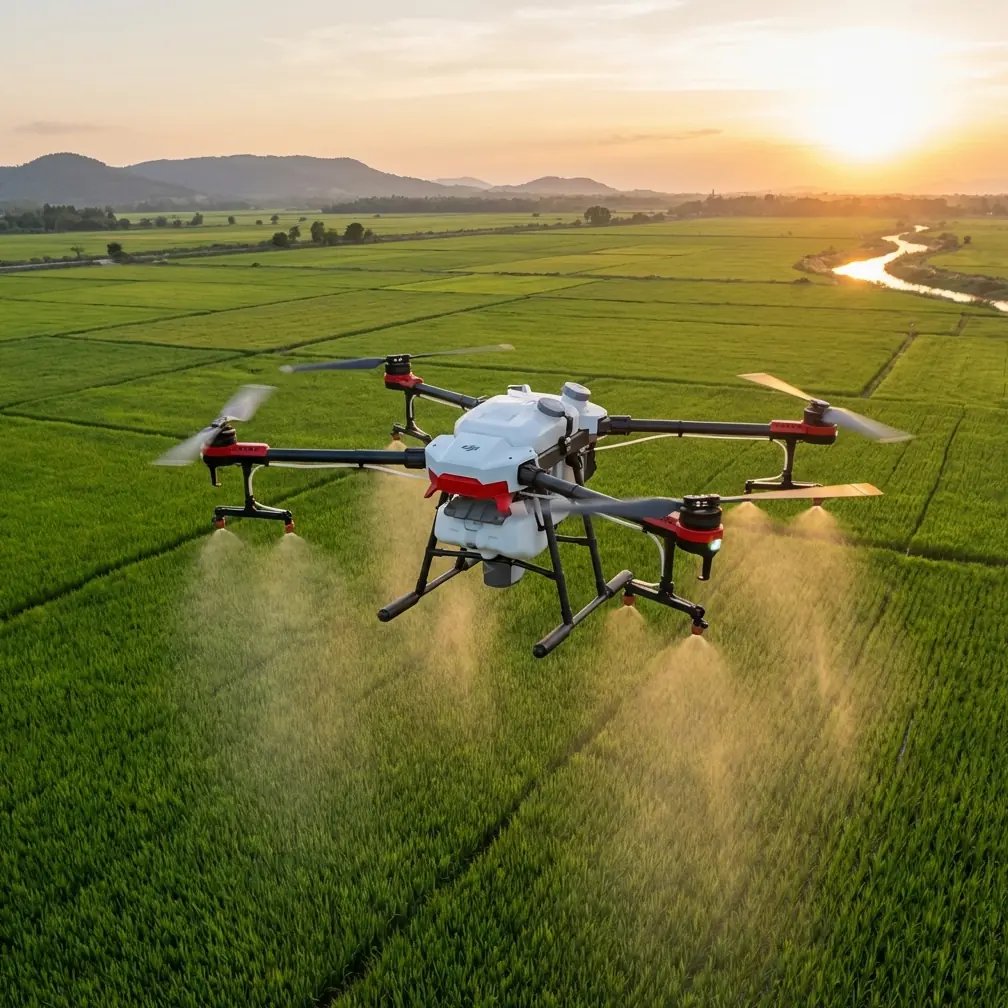
Expert Venue Filming with DJI Avata in Extreme Temps
META: Master venue filming in extreme temperatures with DJI Avata. Learn battery management, obstacle avoidance tips, and pro techniques for stunning footage.
TL;DR
- Battery performance drops 30-40% in extreme cold—proper thermal management is essential for venue shoots
- The Avata's obstacle avoidance sensors require recalibration when transitioning between temperature extremes
- D-Log color profile preserves highlight and shadow detail in challenging venue lighting conditions
- Field-tested battery rotation system extends total flight time by up to 45 minutes per session
The Temperature Challenge Every Venue Filmmaker Faces
Filming venues in extreme temperatures destroys drone batteries and corrupts footage. After three years of shooting concert halls, outdoor amphitheaters, and industrial event spaces across climate extremes, I've developed a reliable system for the DJI Avata that keeps you flying when conditions turn hostile.
Whether you're documenting a desert music festival at 115°F or capturing a Nordic ice arena at -4°F, the Avata's compact cinewhoop design presents unique thermal challenges. This guide delivers the exact protocols I use to maintain consistent flight performance and cinematic quality regardless of ambient conditions.
Understanding the Avata's Thermal Operating Limits
The DJI Avata officially operates between 32°F to 104°F (0°C to 40°C). Push beyond these boundaries without preparation, and you'll encounter:
- Sudden battery voltage drops triggering emergency landings
- Gimbal motor strain causing micro-jitters in footage
- Sensor fog compromising obstacle avoidance reliability
- Reduced transmission range from the DJI Goggles 2
Expert Insight: The Avata's integrated design actually works in your favor for thermal management. Unlike modular drones, heat generated by the motors helps warm the battery compartment during cold operations—but this same integration accelerates overheating in hot environments.
Cold Weather Venue Filming Protocol
Indoor-outdoor transitions present the greatest risk during cold weather shoots. Moving from a heated venue interior to frigid exterior conditions causes rapid condensation on sensors and lens elements.
Pre-flight preparation for sub-40°F conditions:
- Store batteries against your body or in an insulated pouch at 95-100°F
- Power on the Avata inside the venue and let systems stabilize for 3 minutes
- Verify obstacle avoidance sensor status in the DJI Fly app before each flight
- Keep the DJI Motion Controller warm—cold fingers on a cold controller reduce precision
My field-tested battery rotation system works like this: carry four batteries minimum, keeping three in a heated pouch while one flies. Swap batteries every 6-8 minutes rather than pushing to depletion. This rotation maintains optimal cell temperature and extends total session flight time dramatically.
Hot Weather Venue Filming Protocol
Desert venues, summer festivals, and industrial spaces with limited climate control push the Avata toward thermal throttling. The drone's compact body retains heat aggressively.
Pre-flight preparation for 90°F+ conditions:
- Store batteries in a cooler with ice packs (not direct ice contact)
- Park in shade and use a reflective sunshade over the drone between flights
- Limit continuous flight to 10 minutes to prevent motor overheating
- Monitor battery temperature in the app—abort if readings exceed 113°F
Pro Tip: Schedule your most demanding shots—complex ActiveTrack sequences or extended Hyperlapse captures—for early morning or late afternoon. The Avata's Subject tracking algorithms work harder in harsh lighting, generating additional processor heat that compounds thermal stress.
Optimizing Obstacle Avoidance in Venue Environments
The Avata's downward vision sensors and infrared sensing system face unique challenges in venue filming. Stage lighting, reflective surfaces, and rapid indoor-outdoor transitions all impact reliability.
Sensor Calibration After Temperature Transitions
Moving between temperature extremes causes subtle expansion and contraction in sensor housings. I recalibrate the Avata's vision system whenever ambient temperature shifts more than 25°F from my last calibration point.
Calibration protocol:
- Allow the drone to acclimate for 5 minutes at the new temperature
- Access IMU and vision sensor calibration through DJI Fly settings
- Perform calibration on a level surface away from reflective materials
- Test obstacle avoidance response with a slow approach to a known object
Venue-Specific Obstacle Avoidance Settings
Different venue types demand different obstacle avoidance configurations:
| Venue Type | Recommended Setting | Reasoning |
|---|---|---|
| Concert halls | Normal mode | Predictable obstacles, moderate speeds |
| Outdoor festivals | Sport mode with caution | Open spaces, faster repositioning needed |
| Industrial spaces | Tripod mode | Tight quarters, precision required |
| Ice arenas | Normal mode + manual override ready | Reflective surfaces can confuse sensors |
| Desert amphitheaters | Sport mode | Heat shimmer affects sensor accuracy |
The Avata's obstacle avoidance works best when you understand its limitations. Glass walls, thin cables, and moving stage equipment remain challenging for any vision-based system.
Capturing Cinematic Venue Footage with D-Log
Extreme temperature venues often feature extreme lighting conditions. The Avata's D-Log color profile captures 10 stops of dynamic range, essential for preserving detail in both shadowed seating areas and intensely lit stages.
D-Log Settings for Temperature Extremes
Cold air holds less moisture, creating exceptionally clear atmospheric conditions that can result in harsh, contrasty footage. Hot, humid venues produce haze that flattens images.
Cold venue D-Log adjustments:
- Reduce contrast in post by -15 to -20
- Add subtle haze in color grading to restore atmosphere
- Watch for blue color cast from snow or ice reflection
Hot venue D-Log adjustments:
- Increase clarity in post to cut through atmospheric haze
- Boost saturation by +10 to +15 to restore color vibrancy
- Apply dehaze filters selectively to foreground elements
QuickShots and Hyperlapse in Challenging Conditions
The Avata's automated flight modes—QuickShots and Hyperlapse—require stable GPS lock and consistent sensor performance. Temperature extremes affect both.
QuickShots reliability tips:
- Allow 2 additional minutes for GPS acquisition in extreme cold
- Avoid Hyperlapse sequences when battery temperature falls below 50°F
- Use Dronie and Circle modes rather than Helix in tight venue spaces
- Monitor the Avata's position hold stability before initiating any automated sequence
ActiveTrack and Subject tracking features demand significant processing power. In hot conditions, limit tracking sequences to 3 minutes before allowing a 1-minute hover break for thermal dissipation.
Technical Comparison: Avata Performance Across Temperature Ranges
| Performance Metric | Cold (32°F) | Optimal (68°F) | Hot (100°F) |
|---|---|---|---|
| Battery flight time | 12-14 min | 18 min | 14-16 min |
| Obstacle avoidance range | 8m (reduced) | 10m | 9m |
| Video transmission range | 8km | 10km | 9km |
| Gimbal response | Slightly sluggish | Optimal | Normal |
| GPS lock time | 45-90 sec | 20-30 sec | 25-40 sec |
| Recommended flight ceiling | 3,000m | 4,000m | 3,500m |
Common Mistakes to Avoid
Ignoring battery temperature warnings. The DJI Fly app displays battery temperature for a reason. Flying with cells below 50°F or above 113°F causes permanent capacity degradation and risks mid-flight failure.
Rushing temperature transitions. Moving the Avata rapidly between climate-controlled interiors and extreme exteriors causes condensation that shorts electronics. Allow 10-15 minutes of gradual acclimation.
Trusting obstacle avoidance blindly in unusual lighting. Stage lighting, laser effects, and reflective venue surfaces create false readings. Maintain manual override readiness during complex venue shoots.
Depleting batteries fully in extreme conditions. Land with 25-30% remaining rather than the typical 20%. Voltage drops accelerate dramatically in temperature extremes, and that final 10% disappears faster than expected.
Neglecting the Motion Controller's thermal needs. Cold controllers respond sluggishly, and sweaty hands on hot controllers reduce grip security. Treat your controller with the same thermal care as your batteries.
Frequently Asked Questions
Can I fly the DJI Avata below its official 32°F operating temperature?
Yes, with proper preparation. I've successfully flown the Avata at temperatures as low as 14°F using aggressive battery warming protocols and shortened flight intervals. Keep batteries above 68°F until immediately before flight, limit flights to 6-8 minutes, and land immediately if you notice any power instability. This approach works but accelerates battery wear over time.
How do I prevent lens fog when filming in humid hot venues?
Lens fog occurs when the Avata moves from air-conditioned spaces to humid exteriors. Store the drone in a sealed bag with silica gel packets before transitioning. Allow 15 minutes for gradual temperature equalization before removing from the bag. For persistent fog issues, apply a thin anti-fog coating to the lens housing—not the lens itself.
Does extreme temperature affect the Avata's video quality beyond battery performance?
Temperature impacts image sensor performance directly. Cold sensors produce slightly cleaner images with reduced noise, while hot sensors generate more thermal noise in shadow areas. In extreme heat, you may notice subtle color shifts toward magenta in highlights. Shooting in D-Log and correcting in post-production addresses most temperature-related image quality variations.
The DJI Avata transforms venue documentation when you master its thermal requirements. These protocols represent hundreds of hours of extreme-condition filming distilled into repeatable systems.
Ready for your own Avata? Contact our team for expert consultation.