
DJI Avata Safety Protocols for Urban Vineyard Inspections: A Field-Tested Approach to FPV Operations
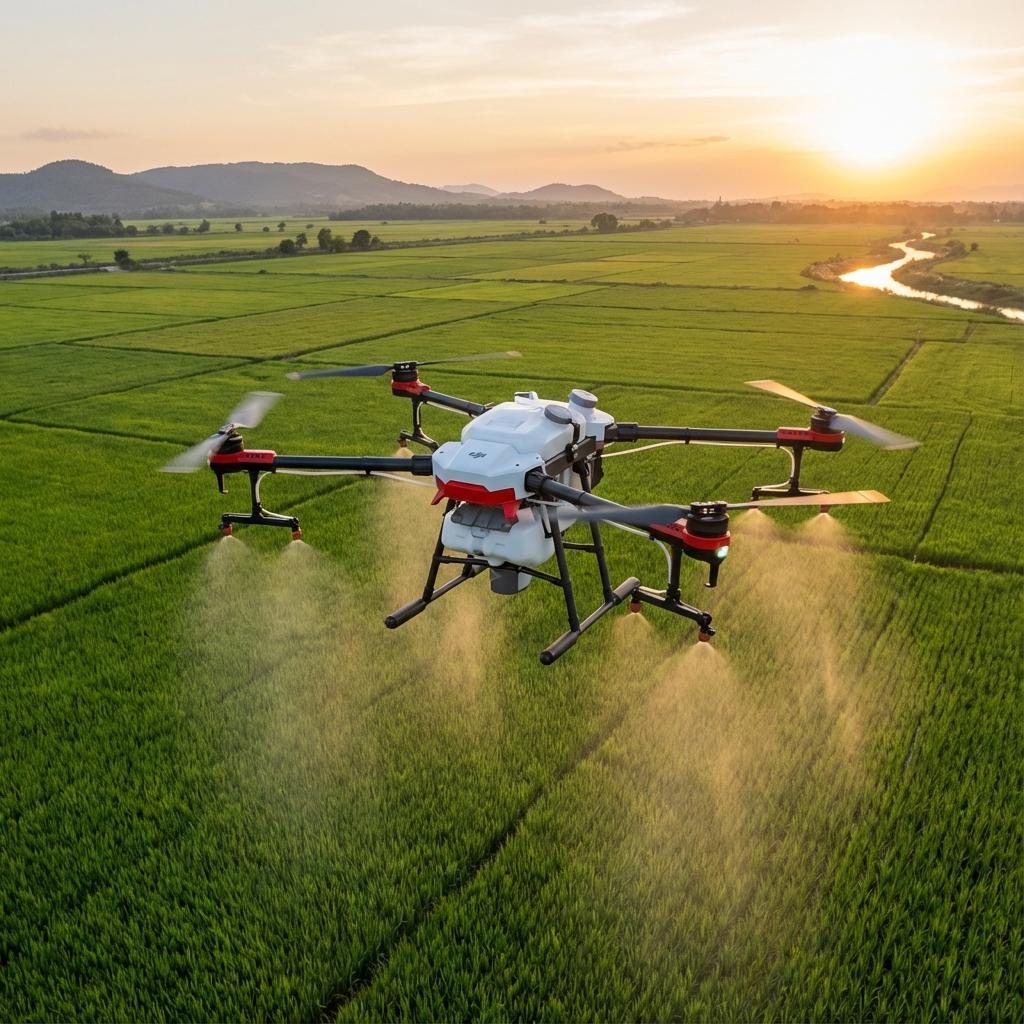
DJI Avata Safety Protocols for Urban Vineyard Inspections: A Field-Tested Approach to FPV Operations
TL;DR
- The DJI Avata's 18-minute flight time and 4K/60fps capability make it exceptionally suited for detailed vineyard canopy inspections in urban-adjacent agricultural zones
- FPV operations near populated areas demand strict adherence to visual observer protocols and pre-flight environmental assessments
- Motion Controller integration reduces pilot fatigue during extended inspection sessions while maintaining precise aircraft control
- Obstacle avoidance systems proved critical during a recent inspection where the Avata successfully navigated around a red-tailed hawk defending its territory near vine rows
The Shifting Landscape of Agricultural Drone Operations
Urban vineyard operations present a unique intersection of precision agriculture and airspace complexity. As metropolitan areas expand into traditional wine-growing regions, drone operators face mounting pressure to execute inspections safely while navigating regulatory frameworks designed for less congested environments.
The DJI Avata has emerged as a preferred platform for these challenging missions. Its compact form factor and immersive FPV experience allow pilots to thread through tight vine corridors while maintaining situational awareness that traditional line-of-sight operations simply cannot match.
I recently completed a series of vineyard health assessments across three urban-adjacent properties in Northern California. The experience reinforced why safety protocols must evolve alongside our technology—and why the Avata's sensor suite has become indispensable for professional agricultural work.
Understanding the Urban Vineyard Environment
Electromagnetic Interference Challenges
Urban vineyard sites present electromagnetic interference patterns that differ dramatically from rural agricultural operations. Cell towers, power substations, and residential Wi-Fi networks create signal congestion that can affect drone telemetry and video transmission.
The Avata's O3+ transmission system maintains stable connections at distances up to 10 kilometers in optimal conditions. During urban operations, I've observed reliable performance at working distances of 500-800 meters—more than sufficient for vineyard inspection corridors.
Key interference sources to identify during pre-flight surveys include:
- High-voltage transmission lines within 400 meters of the operation area
- Commercial radio towers and cellular infrastructure
- Industrial facilities with heavy electrical equipment
- Residential smart home networks in adjacent properties
Wildlife Encounters and Sensor Response
During a recent inspection of a Sonoma County vineyard, the Avata's downward vision sensors detected an approaching red-tailed hawk approximately 15 meters from the aircraft. The bird had established a nest near the vineyard's eastern boundary and was actively defending its territory.
The Avata's obstacle avoidance system triggered an automatic altitude adjustment, climbing 8 meters to create separation while I assessed the situation through the FPV feed. This autonomous response prevented a potential collision that could have injured the bird and damaged the aircraft.
Expert Insight: Wildlife encounters during agricultural drone operations are more common than many pilots anticipate. Raptors, in particular, view drones as territorial threats. Always conduct pre-flight surveys for active nests within 200 meters of your operation area, especially during spring breeding seasons. The Avata's sensor array provides an excellent safety margin, but proactive identification of wildlife hazards remains the pilot's responsibility.
Technical Specifications for Vineyard Applications
The Avata's specifications align remarkably well with the demands of precision vineyard inspection. Understanding how each capability translates to field performance helps operators maximize mission efficiency.
| Specification | Value | Vineyard Application |
|---|---|---|
| Flight Time | 18 minutes | Covers approximately 3-4 acres per battery at inspection speeds |
| Video Resolution | 4K/60fps | Captures leaf detail sufficient for disease identification |
| Sensor Size | 1/1.7-inch CMOS | Excellent low-light performance for early morning flights |
| Max Speed | 97 km/h (S Mode) | Rapid repositioning between vine blocks |
| Weight | 410 grams | Minimal rotor wash impact on delicate vine canopies |
| Hover Accuracy | ±0.1 m (Vision) | Precise positioning for repeat photography points |
Leveraging D-Log Color Profile for Crop Analysis
The D-Log color profile captures extended dynamic range that proves invaluable for post-flight analysis. Vineyard canopies present extreme contrast ratios—deep shadows beneath leaf cover and bright highlights on sun-exposed fruit clusters.
Standard color profiles clip this data, losing critical information about leaf coloration that indicates nutrient deficiencies or disease presence. D-Log preserves approximately 10 stops of dynamic range, allowing agronomists to extract meaningful data during post-processing.
I recommend the following camera settings for vineyard health assessment:
- D-Log M color profile for maximum flexibility
- ISO 100-400 to minimize noise in shadow regions
- 1/120 shutter speed at 60fps for motion clarity
- Manual white balance set to 5600K for consistent color reference
Safety Protocol Framework for Urban Operations
Pre-Flight Assessment Procedures
Urban vineyard operations demand thorough pre-flight protocols that address both agricultural and airspace considerations. The following checklist has evolved through dozens of professional inspections:
Airspace Verification
- Confirm LAANC authorization status for controlled airspace
- Check NOTAMs for temporary flight restrictions
- Verify distance from heliports and hospital facilities
- Document any manned aircraft activity patterns
Site-Specific Hazards
- Map overhead power lines and guy wires
- Identify tall structures within 500 meters
- Note vehicle traffic patterns on adjacent roads
- Survey for active wildlife nests or dens
Equipment Readiness
- Verify firmware currency on aircraft and controller
- Confirm battery health above 85% capacity
- Test Motion Controller calibration and response
- Check FPV goggle fit and display clarity
Visual Observer Integration
FPV operations legally require a visual observer in most jurisdictions. The immersive nature of Avata flight makes this requirement particularly critical—pilots cannot maintain situational awareness of the broader environment while focused on the FPV feed.
Effective visual observer protocols include:
- Establishing clear verbal communication standards before flight
- Defining specific callouts for approaching aircraft, vehicles, or personnel
- Creating predetermined abort procedures with unambiguous trigger phrases
- Positioning the observer to maintain sight of both the aircraft and surrounding airspace
Pro Tip: Equip your visual observer with a handheld aviation radio tuned to the local CTAF frequency. This provides early warning of manned aircraft approaching the area—often several minutes before visual contact is possible. The investment in a quality aviation transceiver pays dividends in operational safety.
Motion Controller Advantages for Extended Inspections
The Avata's Motion Controller transforms vineyard inspection from a technical exercise into an intuitive flying experience. Traditional stick-based control requires constant micro-adjustments that accumulate into significant pilot fatigue during multi-hour inspection days.
Motion Controller operation reduces cognitive load by mapping aircraft movement to natural hand gestures. Pitch forward to advance, bank left or right to turn, raise or lower your hand to adjust altitude. This intuitive interface allows pilots to focus attention on the inspection task rather than aircraft control mechanics.
During a recent four-hour inspection session covering 12 acres of Chardonnay vines, I completed the entire operation using Motion Controller input. Fatigue levels remained manageable throughout, and the footage quality exceeded what I typically achieve with traditional controls during extended flights.
QuickShots and Hyperlapse for Documentation
While the Avata's primary strength lies in manual FPV flight, its automated capture modes serve valuable documentation purposes. QuickShots provide consistent, repeatable footage of specific vine blocks—useful for tracking seasonal changes or treatment efficacy over time.
Hyperlapse mode compresses extended observation periods into digestible visual summaries. A 30-minute observation of irrigation system performance becomes a 15-second clip that clearly shows water distribution patterns across the vineyard.
These automated modes free the pilot from continuous manual control, allowing attention to shift toward safety monitoring and environmental awareness.
Common Pitfalls in Urban Vineyard Operations
Underestimating Thermal Effects
Urban environments generate significant thermal activity that affects drone flight characteristics. Concrete, asphalt, and building surfaces absorb solar radiation and release it as rising air columns. These thermals create turbulence that can destabilize small aircraft.
The Avata's flight controller compensates effectively for moderate turbulence, but pilots should anticipate increased power consumption and reduced flight times during afternoon operations. Morning flights—before thermal development peaks—typically yield 15-20% longer effective mission duration.
Neglecting Battery Temperature Management
Vineyard inspections often begin at dawn when temperatures remain cool. Lithium polymer batteries deliver reduced capacity when cold, and the Avata's flight time suffers accordingly.
Pre-warming batteries to 20-25°C before flight restores full capacity. I carry batteries in an insulated bag with chemical hand warmers during cool-weather operations. This simple practice maintains consistent 18-minute flight times regardless of ambient conditions.
Overlooking Magnetic Interference from Vineyard Infrastructure
Modern vineyards incorporate substantial metal infrastructure—trellis wires, irrigation pipes, and equipment storage structures. These elements can affect compass calibration and introduce heading errors during flight.
Always calibrate the Avata's compass away from metal structures, ideally 30 meters or more from vineyard infrastructure. If compass warnings appear during flight, the aircraft's vision positioning system provides reliable backup navigation for safe return operations.
Integrating Advanced Flight Modes
Subject Tracking for Canopy Assessment
ActiveTrack and Spotlight mode capabilities allow the Avata to maintain focus on specific vine sections while the pilot manages flight path and safety considerations. This division of attention proves valuable when documenting disease progression or pest damage across extended vine rows.
Subject tracking maintains consistent framing as the aircraft moves along the row, ensuring complete coverage without the pilot manually adjusting camera angle. The resulting footage provides agronomists with systematic visual data that supports accurate assessment.
Waypoint Flying for Repeat Surveys
Waypoint flying enables precise replication of flight paths across multiple survey dates. Establishing consistent observation points allows direct comparison of vine health over time—critical for evaluating treatment efficacy or tracking seasonal development.
The Avata stores waypoint missions locally, allowing rapid deployment of established routes without manual programming before each flight. This efficiency translates directly to increased acreage coverage during limited flight windows.
Regulatory Considerations for Urban Agricultural Operations
Urban vineyard operations frequently fall within controlled airspace or near airports that serve general aviation traffic. Understanding the regulatory framework prevents costly violations and maintains professional credibility.
Key regulatory requirements include:
- Part 107 certification for all commercial operations
- LAANC authorization for controlled airspace access
- Waiver applications for operations beyond visual line of sight
- Local ordinances that may restrict drone operations in specific municipalities
Maintaining current knowledge of regulatory changes requires ongoing attention. The FAA updates guidance regularly, and state-level legislation continues evolving. Professional operators should allocate time monthly for regulatory review and compliance verification.
Frequently Asked Questions
How does the Avata perform in morning fog conditions common to vineyard regions?
The Avata's vision positioning system relies on optical sensors that require adequate visibility to function properly. Light fog with visibility above 100 meters typically allows safe operation, though pilots should monitor sensor status indicators throughout the flight. Dense fog that reduces visibility below 50 meters compromises both sensor function and visual observer effectiveness—postpone operations until conditions improve.
What backup procedures should I establish for FPV signal loss during vineyard operations?
Configure the Avata's failsafe behavior to "Return to Home" with an altitude setting that clears all obstacles in your operation area—typically 40-50 meters for vineyard environments. Ensure the home point is set in an open area away from structures and power lines. Brief your visual observer on expected aircraft behavior during signal loss so they can provide verbal guidance if manual control becomes necessary.
Can the Avata's footage quality support professional crop insurance documentation?
The 4K/60fps capability and 1/1.7-inch sensor produce imagery that meets or exceeds requirements for most agricultural insurance documentation. Shooting in D-Log color profile preserves maximum detail for post-processing analysis. Maintain organized flight logs with GPS coordinates, timestamps, and weather conditions to support documentation authenticity. Many insurance adjusters now accept drone imagery as primary evidence for crop damage claims.
For customized safety protocol development or professional vineyard inspection services, Contact our team for a consultation. Our specialists bring extensive field experience to every urban agricultural drone operation.