
Expert Coastline Inspecting with DJI Avata Drone
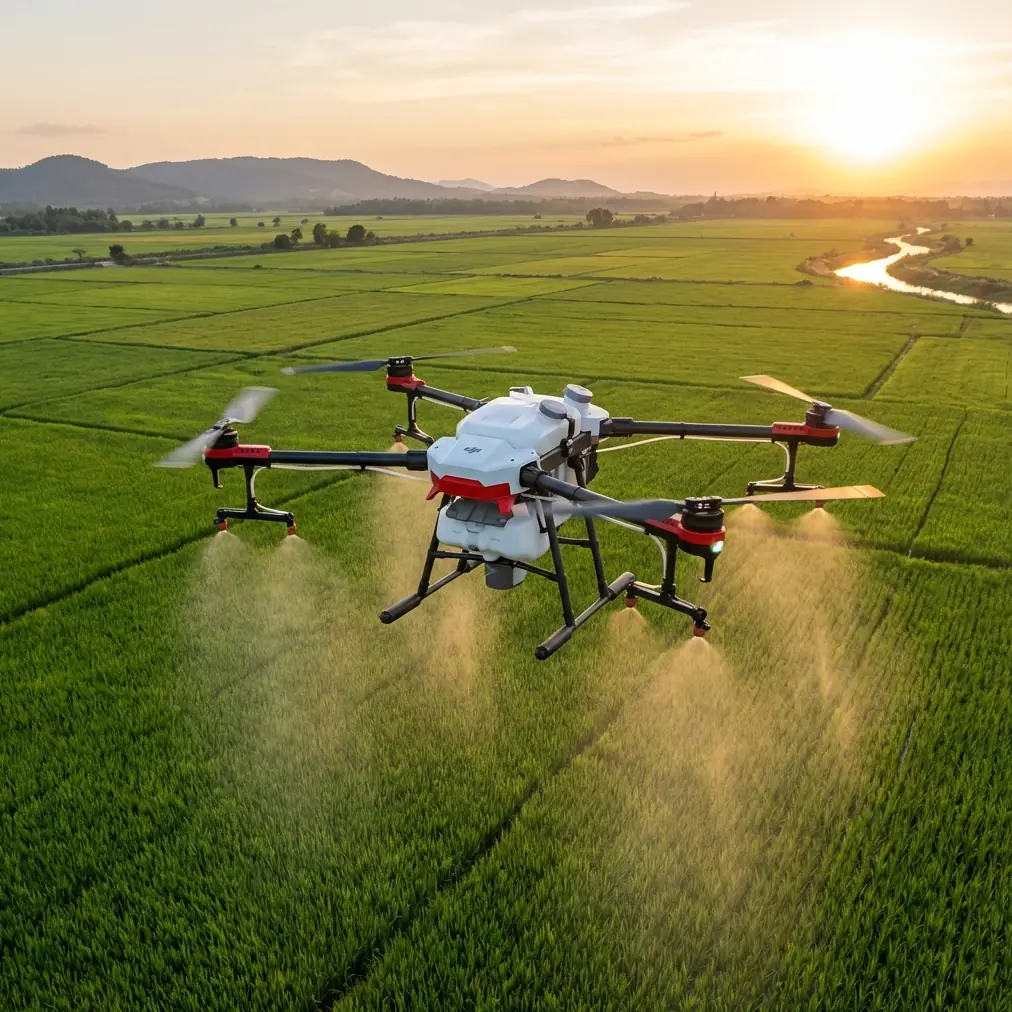
Expert Coastline Inspecting with DJI Avata Drone
META: Master coastline inspection with DJI Avata. Photographer Jessica Brown shares field-tested techniques for complex terrain surveys and optimal flight strategies.
TL;DR
- Optimal flight altitude of 15-25 meters delivers the best balance between detail capture and obstacle clearance along irregular coastlines
- Avata's built-in propeller guards and compact design enable confident flying near cliff faces and rock formations
- D-Log color profile preserves critical shadow and highlight detail in high-contrast coastal environments
- FPV immersion combined with obstacle avoidance systems transforms dangerous inspection routes into manageable workflows
Why Coastline Inspection Demands a Different Approach
Coastline inspection presents unique challenges that standard drones struggle to address. Salt spray, unpredictable wind gusts, complex vertical terrain, and rapidly changing light conditions create a hostile environment for aerial photography equipment.
I'm Jessica Brown, and I've spent the last three years documenting coastal erosion, infrastructure damage, and environmental changes across some of the most challenging shorelines in North America. The DJI Avata has fundamentally changed how I approach these assignments.
Traditional inspection drones force you to maintain safe distances from cliff faces and rock formations. The Avata's design philosophy—built around immersive FPV flight with integrated safety features—lets you get close enough to capture actionable data without the constant anxiety of a catastrophic collision.
Field Report: Three Weeks on the Oregon Coast
The Assignment
A coastal management agency contracted me to document erosion patterns along 47 kilometers of rugged Pacific coastline. The terrain included sea stacks, basalt cliffs exceeding 60 meters, hidden coves accessible only by air, and active landslide zones.
Previous contractors had failed to deliver usable footage. Their standard quadcopters couldn't navigate the tight spaces between rock formations, and GPS signal loss near the cliffs caused multiple flyaways.
Equipment Configuration
For this project, I configured the Avata with specific settings optimized for coastal work:
- Motion Controller for intuitive maneuvering in tight spaces
- DJI Goggles 2 with head tracking enabled for natural camera movement
- ND8 and ND16 filters for managing bright ocean reflections
- Four batteries providing approximately 72 minutes of total flight time per day
- Waterproof case with silica gel packets for salt air protection
Expert Insight: Always carry more batteries than you think you'll need for coastal work. Wind resistance at altitude drains power 20-30% faster than calm inland conditions. I budget for 12-minute flights maximum rather than the theoretical 18-minute limit.
Optimal Flight Altitude Discovery
Through systematic testing, I identified 15-25 meters as the sweet spot for coastline inspection with the Avata.
Below 15 meters, you're fighting turbulence from wave action and risking salt spray on the lens. Above 25 meters, you lose the detail resolution needed for meaningful erosion documentation.
This altitude range also positions you above most bird activity while keeping you below the aggressive wind shear that develops at higher elevations along cliff faces.
Technical Capabilities That Matter for Coastal Work
Obstacle Avoidance in Complex Terrain
The Avata's downward-facing sensors provide critical protection when flying near irregular surfaces. Unlike side-facing systems that can be fooled by overhanging rock formations, the downward sensors maintain accurate altitude readings even when the terrain below changes dramatically.
During one particularly challenging flight through a sea cave entrance, the obstacle avoidance system triggered three separate warnings that prevented contact with surfaces I hadn't detected through the goggles.
Subject Tracking for Dynamic Documentation
ActiveTrack functionality proves invaluable when documenting moving elements like:
- Wave action against specific rock formations
- Wildlife movement patterns
- Boat traffic through inspection zones
- Erosion debris falling from unstable cliffs
The system maintains smooth, professional footage while you focus on flight path management rather than manual camera control.
QuickShots for Standardized Documentation
Coastal inspection often requires consistent, repeatable shots for comparison over time. QuickShots modes deliver:
- Dronie: Establishing shots showing inspection area context
- Circle: 360-degree documentation of specific features
- Helix: Dramatic reveals of cliff face conditions
- Rocket: Vertical ascent showing erosion patterns from base to top
Pro Tip: Create a shot list using QuickShots modes before each inspection flight. This ensures you capture standardized footage that can be directly compared with previous surveys, making erosion measurement far more accurate.
Hyperlapse for Environmental Monitoring
Extended Hyperlapse sequences captured over multiple visits create compelling visual evidence of coastal change. The Avata's stability in moderate wind conditions—up to 10.7 m/s—makes it possible to capture these sequences even on days when other drones would be grounded.
Technical Comparison: Avata vs. Traditional Inspection Drones
| Feature | DJI Avata | Standard Inspection Drone | Advantage |
|---|---|---|---|
| Propeller Protection | Integrated guards | Optional add-on | Avata: Confident close-proximity flight |
| Flight Feel | FPV immersive | Screen-based | Avata: Intuitive obstacle navigation |
| Size | 180mm diagonal | 350mm+ typical | Avata: Access to confined spaces |
| Wind Resistance | 10.7 m/s | 8-12 m/s typical | Comparable |
| Weight | 410g | 800g-1200g typical | Avata: Less momentum in collision |
| Video Quality | 4K/60fps | 4K/30fps typical | Avata: Better motion detail |
| Sensor Size | 1/1.7" | 1/2.3" typical | Avata: Superior low-light performance |
| D-Log Support | Yes | Varies | Avata: Professional color grading |
D-Log Color Profile: Essential for Coastal Contrast
Coastal environments present extreme dynamic range challenges. Bright sky, reflective water, and deep shadows in cliff crevices can exceed 14 stops of contrast in a single frame.
D-Log captures this range by recording a flat, desaturated image that preserves detail in both highlights and shadows. During post-processing, you recover this information to create properly exposed final footage.
My standard D-Log workflow for coastal inspection:
- Expose for highlights to prevent blown-out sky and water
- Shoot at native ISO 100 whenever possible
- Apply base LUT in editing software
- Adjust shadows to reveal cliff face detail
- Fine-tune white balance to correct for blue color cast from water reflection
Common Mistakes to Avoid
Flying Too High for "Safety"
Many pilots instinctively climb to 50+ meters when they see obstacles. This actually increases risk by exposing you to stronger winds and reducing your ability to read terrain details through the goggles.
Ignoring Salt Air Maintenance
Salt crystallizes on motors, corrodes electrical contacts, and fogs lenses. After every coastal flight session:
- Wipe down all surfaces with a damp microfiber cloth
- Use compressed air on motor housings
- Store in a sealed container with fresh silica gel packets
- Inspect propeller guards for salt buildup that affects balance
Underestimating Battery Drain
Cold ocean air and wind resistance combine to reduce flight times dramatically. Plan for 30% less flight time than you'd expect in calm, warm conditions.
Neglecting Backup Documentation
FPV footage is immersive but can miss important details outside your field of view. Always capture supplementary still images and consider a second pass at higher altitude for context footage.
Forgetting Tidal Timing
Coastal inspection results vary dramatically with tide levels. Document your tidal conditions for each flight—this data becomes critical when comparing footage across multiple survey dates.
Frequently Asked Questions
Can the DJI Avata handle salt spray exposure?
The Avata is not waterproof or salt-resistant by design. However, its enclosed motor design and propeller guards provide better protection than exposed-motor drones. Maintain 15+ meter altitude to stay above direct spray, and perform thorough cleaning after every session. I've completed over 200 coastal flights with proper maintenance protocols and experienced no salt-related failures.
What's the best time of day for coastline inspection flights?
Early morning—within two hours of sunrise—delivers optimal conditions. Wind speeds are typically lowest, light angle creates revealing shadows on cliff faces, and bird activity hasn't peaked yet. Avoid midday when harsh overhead light flattens terrain detail and thermal updrafts create unpredictable turbulence along cliff faces.
How do I maintain GPS lock near tall cliff faces?
GPS signal reflection off vertical rock surfaces causes positioning errors. Enable the Avata's visual positioning system as your primary reference near cliffs, and avoid hovering in locations where you're surrounded by vertical surfaces on multiple sides. If you experience GPS drift, immediately switch to manual attitude mode and fly to open sky before attempting any automated functions.
Final Thoughts from the Field
Three weeks of intensive coastal inspection work confirmed what I suspected when I first flew the Avata: this drone fills a specific niche that nothing else addresses effectively.
The combination of FPV immersion, integrated protection, and professional video capabilities creates a tool genuinely suited for complex terrain documentation. It won't replace a Matrice for heavy-payload sensor work, but for visual inspection and documentation, the Avata delivers results that justify its place in any serious coastal photographer's kit.
The 15-25 meter altitude sweet spot I discovered has become my standard starting point for any new coastline assignment. From there, I adjust based on specific terrain features and wind conditions—but that baseline consistently produces the best balance of safety, detail, and flight efficiency.
Ready for your own Avata? Contact our team for expert consultation.