
Mapping Solar Farms With Avata in Extreme Temperatures
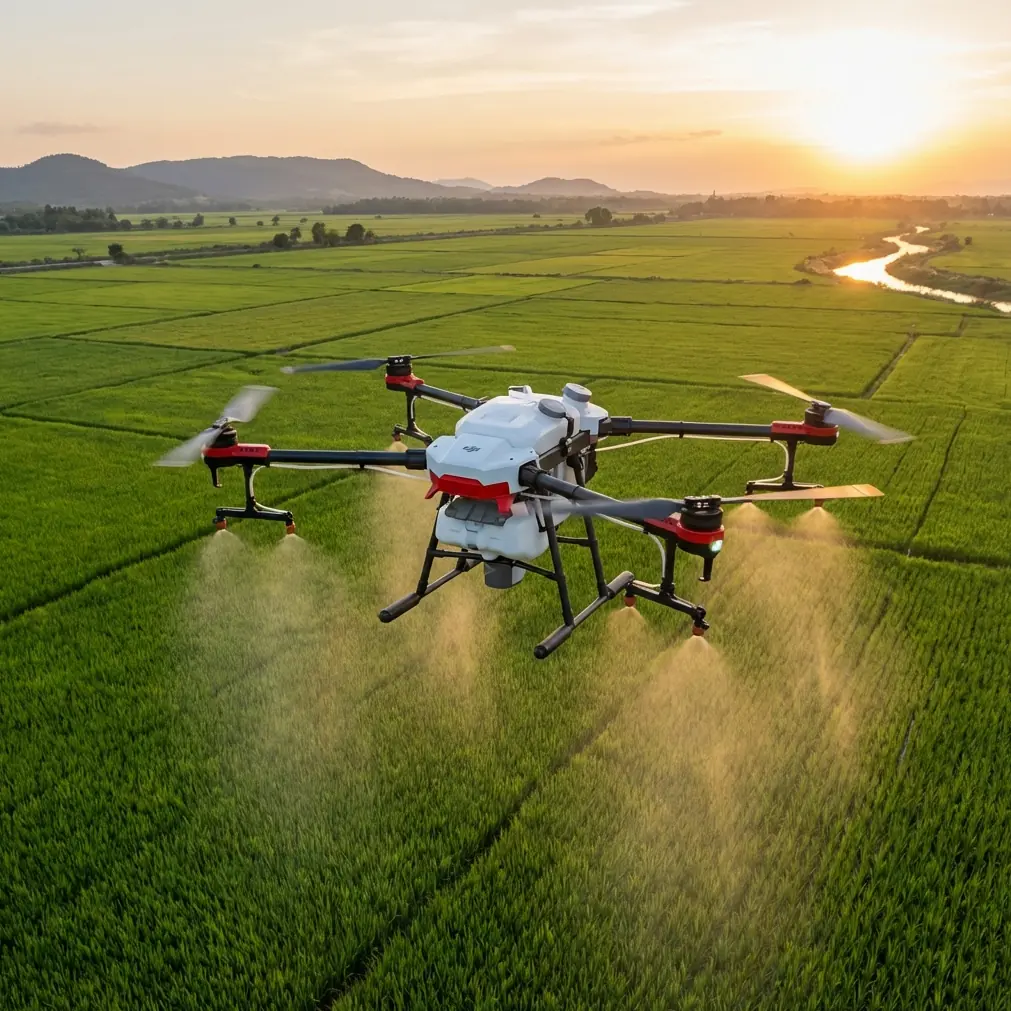
Mapping Solar Farms With Avata in Extreme Temperatures: A Practical Field Tutorial
META: A field-tested tutorial on using Avata for solar farm mapping in extreme heat and cold, with pre-flight cleaning, safety checks, flight planning, D-Log capture, and why 2025 low-altitude industry investment matters.
Solar farm work exposes every weakness in a drone workflow.
Panels throw glare into the lens. Heat shimmer softens detail. Wind funnels between rows. Dust settles where it does the most damage: right on the sensors you depend on for stable low-altitude flight. If you are flying an Avata around utility-scale arrays, especially in punishing summer heat or biting winter cold, the difference between a clean dataset and a wasted site visit often comes down to routine, not luck.
I approach this as a photographer first. That matters. Good aerial coverage of a solar site is not only about getting into the air and back down safely. It is about preserving enough image consistency and positional discipline that the footage can support inspection notes, stakeholder communication, progress documentation, and repeatable visual comparison over time. Avata is not a traditional survey platform, so you need to be honest about what it does well and where careful technique can stretch its value on commercial sites.
There is also a bigger industry story sitting behind this kind of work. In the first quarter of 2025, the low-altitude economy saw a wave of financing across multiple directions: eVTOL, hydrogen electric control systems, large unmanned cargo aircraft, and drone-related technologies, with deal sizes ranging from tens of millions of RMB to the hundred-million level. One especially relevant signal came on March 28, 2025, when Zhidao Technology completed an A+ round worth tens of millions of RMB, led solely by Shanghai Yichen Capital. The company also expanded beyond its Beijing and Tianjin bases with a new Rizhao, Shandong base to strengthen market coverage and build a land-sea-air linked production footprint.
Why should an Avata operator mapping solar farms care about that? Because it shows where the market is heading. Investment is moving toward real deployment ecosystems, not isolated aircraft specs. Coverage, regional capacity, and coordinated operations now matter as much as the airframe itself. For solar operators and drone teams, that means the future of field work will be shaped by broader service infrastructure: better support networks, more specialized workflows, and stronger integration between flight operations and industrial inspection demand. In plain terms, your drone flights are becoming part of a much larger commercial system.
With that context, here is a practical tutorial for using Avata on solar sites in extreme temperatures, with one often-overlooked pre-flight step that protects the very safety features many pilots take for granted.
First, know what Avata is actually good at on a solar farm
Avata shines when you need close, controlled visual passes through constrained environments. It is useful for:
- visual corridor flights along panel rows
- documenting construction progress
- checking access roads, perimeter conditions, and inverter areas
- capturing marketing or stakeholder visuals with repeatable motion
- producing targeted inspection-style footage in areas where terrain, structures, or narrow spacing make larger aircraft less comfortable to fly
It is less ideal if your goal is high-accuracy orthomosaic surveying over a massive site. That is not a criticism. It is just the wrong expectation. On a solar farm, Avata works best as a precision visual tool, not as a replacement for a dedicated mapping platform.
That distinction becomes even more important in extreme temperatures. Heat and cold do not merely reduce comfort for the pilot. They affect battery behavior, sensor reliability, visibility, and flight confidence. So the workflow has to account for those variables from the beginning.
The pre-flight cleaning step most pilots rush past
Before you power up, clean the obstacle sensing and vision-related surfaces.
Not casually. Not with your shirt sleeve. Deliberately.
Solar farms are dusty. In hot weather, that dust mixes with static and fine grit. In cold weather, you may also deal with condensation, frost residue, or haze when moving equipment between vehicle storage and open air. If your obstacle avoidance system is looking through smudges or your camera lens carries a thin film of grime, you are handicapping two critical parts of the mission at once: flight stability and image quality.
Operationally, this matters for three reasons:
1. Obstacle avoidance is only as good as what the sensors can see
Avata pilots often rely on close-proximity confidence. Around fencing, cable infrastructure, equipment pads, and row transitions, that confidence needs to be earned. Dirty sensor surfaces can reduce reliability when you are operating low and near structures.
2. Subject tracking and ActiveTrack-style expectations break down fast in glare-heavy environments
Solar panels create reflections that can confuse both the operator’s eye and automated visual features. If you are expecting any subject tracking behavior or visual assistance to remain dependable, a clean optical surface is non-negotiable.
3. Smudges become more destructive in D-Log footage
If you are shooting D-Log for post-production flexibility, haze and flare caused by dirt become more visible once you start grading. What looked “fine” on-site can become unusable when contrast is restored later.
My field kit for this includes a blower, clean microfiber cloths stored in sealed bags, and lens-safe cleaning solution used sparingly. Blow off grit first. Wiping dry dust straight across the surface is how you add micro-scratches over time.
Step 1: Build the flight plan around temperature, not convenience
Extreme temperature missions should be scheduled for consistency, not only for light.
In high heat, I prefer earlier morning windows before panel surfaces and surrounding ground intensify thermal turbulence. Around midday, rising heat can introduce shimmer and soften perceived clarity, especially during longer visual lines along the arrays. Your footage may still be usable, but repeatability suffers.
In cold conditions, battery management becomes the main pressure point. Shorter flights with planned recovery intervals are safer than trying to force full-duration runs. If batteries have been stored in a cold vehicle overnight, they need temperature awareness before launch. Even if the aircraft can technically take off, practical performance may not match what you expect.
For solar farm documentation, I usually divide the site into compact segments:
- row groups
- inverter and transformer zones
- access lanes
- perimeter sections
- selected hero passes for overview visuals
This keeps each sortie purposeful. It also reduces the temptation to improvise in the air, which is where heat stress and battery uncertainty start causing mistakes.
Step 2: Use repeatable passes instead of chasing total coverage
A common mistake with Avata on large industrial sites is trying to capture everything in one style.
Do not.
Instead, assign each flight one job.
One flight may focus on low-altitude row-following. Another may capture oblique overview angles of blocks and access roads. A third may concentrate on equipment clusters where visual context matters. If you need a cinematic site summary, keep that separate from your inspection-oriented passes.
This is where features like QuickShots and Hyperlapse can help, but only if used with restraint. QuickShots are useful for creating consistent reveal or orbit-style visuals around key infrastructure zones, particularly when a project manager needs a digestible site update. Hyperlapse can show construction or maintenance progress over time, but in extreme temperatures I would not make that the primary mission. Environmental strain already narrows your margin for error.
The stronger approach is to capture stable, manually controlled footage first, then add automated motion shots only if battery, wind, and visibility remain favorable.
Step 3: Fly lower, slower, and more deliberately than you think you need to
Solar farms punish overconfident speed.
The geometry looks simple from above, but panel rows, support structures, wiring corridors, and service roads create repeating patterns that can flatten depth perception. Add harsh sunlight or cold, low-angle glare and that effect becomes more pronounced in the goggles.
Flying slower does three things:
- gives obstacle avoidance more time to interpret the scene
- reduces abrupt exposure and contrast shifts over reflective surfaces
- produces footage that is easier to review for visual anomalies later
This matters even more if you are trying to compare row conditions or inspect consistency across multiple blocks. Fast FPV-style runs may look exciting, but they often sacrifice the very clarity the client actually needs.
Step 4: Manage exposure for panels, not the sky
If you expose for the sky on a bright day, the panels and surrounding equipment can sink into poor tonal separation. If you expose too aggressively for the panels, highlights may clip across reflective surfaces.
That is why I prefer D-Log when the goal is usable professional footage rather than instant social-ready output. D-Log gives you more room to recover detail from difficult lighting transitions, especially when moving between bright open rows and shadowed infrastructure zones.
Operational significance: on solar sites, tonal control is not just an aesthetic choice. It can affect whether surface irregularities, dirt patterns, installation differences, or maintenance context remain visible in the footage. You are not only making the site look good. You are preserving information.
Set your exposure strategy before takeoff, test it on a short pass, then keep it consistent for that segment. Mixed exposure behavior across the same row group makes comparison much harder.
Step 5: Be cautious with tracking features on reflective industrial surfaces
LSI terms like Subject Tracking and ActiveTrack sound tempting because they promise workload reduction. On a solar farm, though, they should be treated as conditional tools, not assumptions.
Reflective panels, repetitive visual patterns, and intermittent glare can all interfere with reliable visual lock. If the tracked target is a vehicle, technician, or maintenance path, verify behavior in a low-risk area first. Never assume that automation which works nicely in a park or open field will behave the same way around mirrored industrial geometry.
If the shot matters, I would rather fly it manually.
That may sound conservative, but it is professional. Reliable commercial footage usually comes from disciplined inputs, not feature dependence.
Step 6: Watch for thermal and environmental drift during the mission
On a long solar farm session, conditions can change within a surprisingly short window.
In heat:
- rising air can make the aircraft feel less settled
- glare can intensify as the sun angle shifts
- dust kicked up by site vehicles can contaminate the lens and sensors between flights
In cold:
- battery confidence can drop quickly
- goggles and lenses may fog during transitions
- hand dexterity declines, making precise control harder
That is why I pause after each battery cycle to inspect the aircraft again. Not a full teardown. Just a disciplined check:
- lens clean
- sensing surfaces clean
- props clear
- body free of excess dust or moisture
- battery seated and behaving normally
If you need a second opinion on preparing a commercial Avata workflow for harsh site conditions, this field support chat is a practical place to start.
Step 7: Capture context, not just panel rows
A lot of solar drone footage becomes visually repetitive because the pilot only records the arrays themselves. For useful project documentation, include the operational surroundings:
- drainage conditions
- service roads
- fencing
- nearby vegetation encroachment
- inverter stations
- staging or maintenance areas
This broader context is often what turns footage into a decision-making asset. A close pass over panels may show condition and layout. An oblique pass that also includes access infrastructure can reveal how the site is actually functioning day to day.
From a storytelling perspective, this is where my photographer instinct comes back in. People reading a project update or reviewing site progress need orientation, scale, and sequence. Avata can provide that beautifully when the mission is structured.
Why the 2025 financing trend matters for Avata operators in energy work
The low-altitude sector’s Q1 2025 financing wave is not background noise. It is evidence that serious capital is flowing into applied aerial ecosystems tied to transport, hydrogen applications, and linked operational capacity across different environments. The Zhidao Technology example is especially telling: an A+ round completed on March 28, 2025, backed exclusively by Shanghai Yichen Capital, followed by the addition of a new base in Rizhao alongside existing Beijing and Tianjin operations.
That expansion is operationally meaningful because it reflects a priority shift from isolated innovation to scalable coverage. In commercial drone work, especially infrastructure and energy, regional deployment capacity changes the customer experience. Faster support, more resilient logistics, and broader land-sea-air coordination all point to an industry maturing around real-world service delivery.
For solar farm teams using Avata, the message is simple: the market increasingly values workflows that can plug into larger industrial systems. Clean footage, repeatable procedures, and site-safe flying are no longer side benefits. They are part of the professional standard that broader low-altitude investment is helping define.
Final field advice
If I had to boil this down to one rule, it would be this: treat pre-flight cleanliness as a flight safety item, not a cosmetic habit.
On extreme-temperature solar sites, a dusty sensing surface or a lightly smeared lens can quietly undermine obstacle avoidance, degrade tracking performance, and weaken your D-Log footage before the mission has really started. Add disciplined route planning, slower low-altitude passes, and realistic expectations for automation, and Avata becomes a very capable tool for visual mapping and documentation in a tough environment.
Not every drone task on a solar farm needs a heavyweight survey platform. Some jobs need agility, proximity, and controlled perspective. That is where Avata earns its place.
Ready for your own Avata? Contact our team for expert consultation.