
Mapping Dusty Vineyards With Avata: What Persistent Aerial
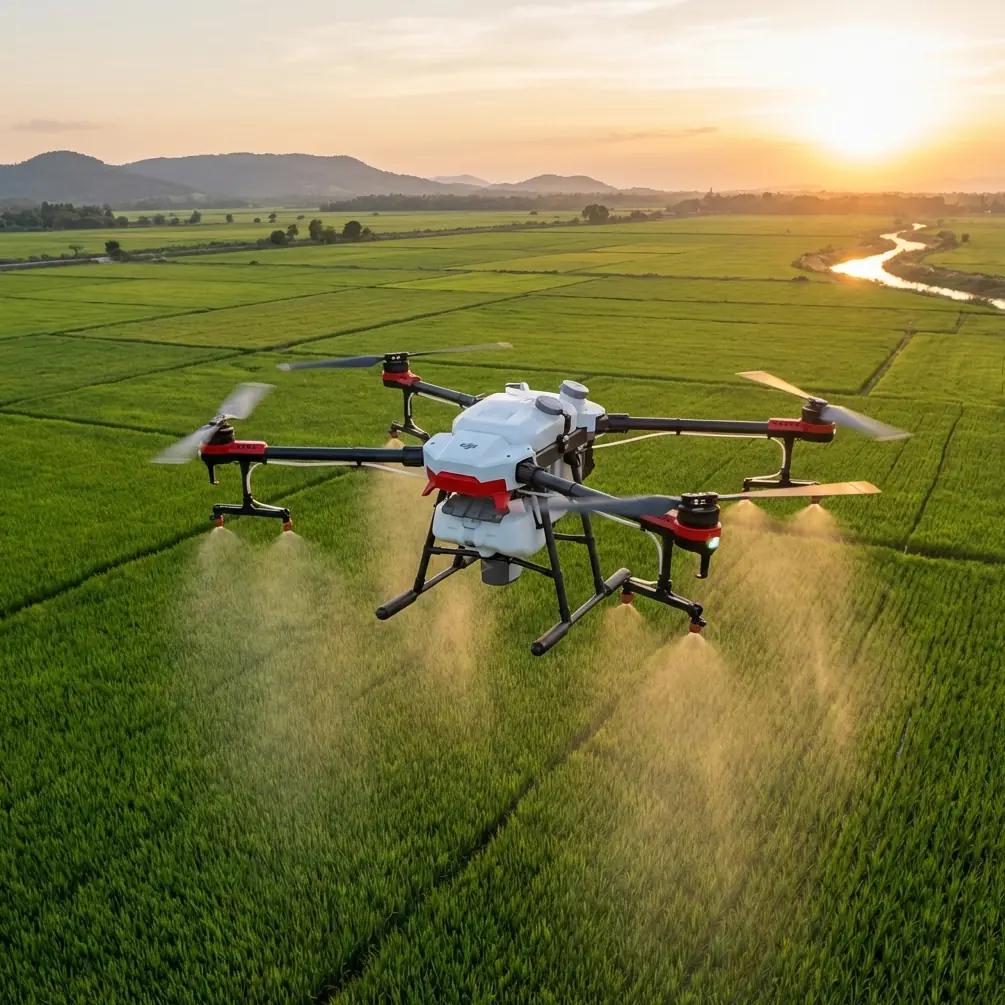
Mapping Dusty Vineyards With Avata: What Persistent Aerial Work Really Demands
META: A practical expert tutorial on using Avata around dusty vineyards, with lessons drawn from tethered drone persistence, airborne endurance, and field workflow design.
A few years ago, I watched a vineyard team lose half a day to conditions that had nothing to do with flying skill. The rows were dry, the access roads were powdery, and every vehicle movement kicked fine dust into the air. The pilot could still get airborne, but the operation kept slowing down: lens cleaning, hesitation around visibility, short flight windows, and constant re-positioning to keep sight of problem areas across uneven ground.
That experience changed how I think about small drone work in agriculture. In vineyards, the challenge is rarely just “can this drone fly?” The real question is whether the aircraft and the workflow can keep producing useful visual information when the site is hot, dusty, repetitive, and spread across rows that all start looking the same after the first hour.
That is where Avata becomes interesting.
Not because it turns vineyard mapping into push-button automation. It does not. And not because every vineyard job should be done with an FPV-style platform. They should not. Avata earns its place when the task is closer to rapid visual survey, terrain-aware scouting, low-altitude row review, and cinematic documentation for agronomy, property management, or client reporting in places where a compact, agile aircraft makes life easier.
There is also a useful lesson hiding in a completely different corner of the drone industry. One recent report noted that Elistair’s Khronos tethered system was deployed with an automated DroneBox to provide persistent aerial surveillance, and that it was operating in an exercise environment involving 1,200 drones and 12,500 personnel. Strip away the exercise context and the civilian takeaway is clear: serious aerial operations are built around persistence, repeatability, and system design, not just flight performance. For dusty vineyard work, that matters more than many Avata owners realize.
Start with the right expectation: Avata is a visual mapping helper, not a survey replacement
If you are mapping vineyards in the strict geospatial sense—creating orthomosaics, elevation outputs, or measurable plant-count datasets—you would normally choose a platform built for automated grid missions and survey-grade consistency.
Avata is different.
Its strength in a vineyard is the ability to move low, thread through terrain changes, inspect row spacing visually, document canopy condition, review access lanes, check irrigation corridors, and capture repeatable footage from difficult angles. That can support vineyard management decisions, especially in dusty areas where ground inspection is slow and vehicle traffic keeps disturbing the site.
So when I say “mapping vineyards with Avata,” I mean building a usable visual picture of the property: row condition, block-to-block contrast, erosion signs, dust accumulation patterns on leaves, vehicle access impact, and the practical shape of the terrain. In many operations, that kind of map-in-the-head is what the manager actually needs first.
Why dusty vineyards are harder than they look
Dust affects more than image quality.
It changes how confident you feel flying close to rows. It reduces visual crispness at low angles. It settles on exposed surfaces during battery changes. It can make repeated takeoff points messy. And in vineyards, the geometry is deceptive: long corridors, narrow margins, wires, posts, netting, and irregular edge vegetation.
This is where Avata’s compact design and obstacle awareness become operationally useful. Not magical. Useful.
If you are flying low along vineyard rows, obstacle avoidance is not just a feature checkbox. It gives you a margin when the light is flat, when the row edges blend visually, or when a stray branch reaches into what looked like a clean lane. In dusty conditions, those margins matter because depth perception can feel slightly degraded, especially later in the day.
The same goes for stability during turns at row ends. Vineyard blocks often force repetitive pivots around poles, trellis ends, service roads, and embankments. A nimble aircraft reduces wasted setup time because you can reposition quickly without needing a broad open turn radius.
The persistence lesson most Avata pilots miss
The Elistair Khronos story is useful here for one reason: it highlights persistent aerial coverage as the real operational goal. Their automated DroneBox is designed to keep aerial eyes available over time, not just to produce one impressive launch. Even the scale of that reported exercise—1,200 drones in a coordinated environment—underscores how mature operations depend on systems that maintain continuity.
For vineyard work, you should borrow that mindset.
Avata is battery-powered and untethered, so it is not a persistence platform in the same class. But your field method can still imitate persistence:
- fly the same blocks in the same order
- use consistent altitude bands
- repeat the same row-entry angles
- standardize battery swap and lens-check intervals
- log dust intensity and sun position for each sortie
That sounds simple. It is also what separates random footage from decision-ready documentation.
When a vineyard manager wants to compare Block A on Monday with Block A next week after irrigation adjustments or traffic changes, consistency matters far more than creative flying.
A practical Avata workflow for dusty vineyard mapping
Here is the tutorial I now recommend when the goal is visual vineyard mapping rather than formal survey output.
1. Walk the site before first launch
Do not rush straight into the goggles.
In dusty vineyards, your first job is identifying where dust will be generated during the operation itself. Parking beside a dry track, then walking back and forth to launch, can contaminate your own staging area. Choose a takeoff spot that stays as clean as possible and gives you clean approaches into the first rows.
Also note:
- trellis height changes
- utility lines
- anti-bird netting
- steep row-end grade changes
- reflective surfaces from irrigation hardware
Those details affect safe low-altitude routes more than most first-time Avata users expect.
2. Build the mission around blocks, not batteries
A common beginner mistake is thinking in battery chunks: “I’ll fly until the pack gets low, then see how much I covered.”
Instead, assign one battery to a specific, realistic task. For example:
- one outer perimeter pass of a block
- three representative row passes at low altitude
- one elevated return overview
- one oblique pass over access roads or drainage lines
This matters in dusty conditions because every landing increases handling exposure. Fewer indecisive relaunches means cleaner equipment and more consistent footage.
3. Use low passes for plant reading, higher passes for context
Avata shines when you vary viewpoint intentionally.
A low, steady pass can reveal canopy gaps, dust load on leaves, sagging wires, and whether traffic routes are affecting edge rows. A slightly higher pass gives context: where the dust source is coming from, how a lane connects to a block, whether slope is concentrating runoff, or where vegetation changes start.
You do not need to stay glued to one altitude. In fact, vineyard interpretation gets better when you connect close detail with broader layout.
4. Keep speed below your ego
Dusty sites tempt pilots to push faster because the environment feels open. Vineyards are not open. They are structured.
Slow speed helps in four ways:
- better branch and wire recognition
- cleaner footage for later analysis
- more time for obstacle systems to assist
- less aggressive correction at row ends
If you want useful mapping footage, smoothness wins over intensity every time.
How Avata camera tools help when the site is repetitive
Vineyards are repetitive by nature. That means your footage can become difficult to interpret later unless you intentionally create visual markers and sequence logic.
This is where some of the creative tools people usually associate with social content can become practical documentation aids.
D-Log for difficult light and dusty contrast
If you are working in harsh afternoon light, dusty air can flatten contrast and create a slightly washed scene. D-Log is useful because it gives you more room later to pull apart highlights, recover detail in bright soil, and maintain better separation between leaf texture and pale ground.
Operationally, that means you are less likely to lose subtle signs of stress or dust accumulation in the image.
Hyperlapse for change-over-time context
I would not use Hyperlapse as a primary inspection method, but it can be very effective for showing how dust moves across a property over time or how vehicle activity affects visibility and site conditions during a workday.
That can be valuable for farm managers reviewing not only crop condition, but workflow condition.
QuickShots as repeatable references
People underestimate QuickShots in commercial-adjacent work. Used carefully, they can give you repeatable establishing clips of a block from a known perspective. If you revisit the same vineyard sections over time, those standardized reveal shots can help stakeholders orient themselves quickly before you move into close row passes.
The trick is discipline. Use them as reference geometry, not decoration.
What about subject tracking and ActiveTrack?
In a vineyard setting, subject tracking and ActiveTrack are less about following a person for dramatic footage and more about maintaining attention on a moving work element—say, a tractor route or a utility vehicle moving between blocks—when the purpose is documenting how site movement interacts with dust spread, lane condition, or access constraints.
Used this way, tracking tools can help you study operational flow without forcing the pilot to micromanage every framing adjustment.
That said, I would be conservative. Vineyards have too many vertical elements and surprise obstructions to treat automated tracking casually. Use it only where sightlines are genuinely clear and the route is predictable.
Dust discipline matters more than flight skill
This is the part many pilots skip because it is less exciting than flying.
In dusty vineyards:
- keep the lens cloth sealed until needed
- inspect vents and surfaces at every battery change
- avoid setting gear directly on dry soil
- face the aircraft away from loose dust during startup if possible
- review footage briefly after each sortie to catch haze or contamination early
You do not need elaborate field lab behavior. You do need discipline.
A pilot who flies brilliantly for ten minutes and collects compromised footage is less useful than the one who flies methodically all morning and brings back clean, comparable visual records.
Turning footage into a real vineyard management asset
After the flight, organize by block, date, and flight type:
- perimeter overview
- row-level pass
- infrastructure pass
- elevation/context pass
Then note what the footage actually shows:
- uneven canopy density
- recurring dust concentration near roads
- access bottlenecks
- washout or erosion signatures
- equipment interference zones
This is where Avata stops being “the fun drone” and starts becoming a serious field tool.
If you need help shaping a vineyard flight routine that fits your site, weather, and review goals, send the details through this vineyard planning chat.
The bigger operational takeaway
The Khronos deployment mentioned earlier may seem far removed from a vineyard. One is an automated tethered system using a DroneBox for persistent aerial presence. The other is a compact untethered aircraft used by individual operators in agricultural terrain.
But the operational principle is the same: useful aerial work comes from persistence and repeatability.
That is the significance of those reference details. The DroneBox concept points to a workflow centered on readiness and continuity. The scale figure—1,200 drones in one coordinated environment—reminds us that mature drone operations are no longer judged by isolated flights. They are judged by whether the output is dependable, comparable, and integrated into the real job.
For vineyard mapping in dusty conditions, Avata works best when you apply that same discipline on a smaller scale.
Not as a survey machine. Not as a toy. And not as a camera you launch whenever the light looks nice.
Use it as a structured visual observation platform. Plan by block. Fly repeatable routes. Lean on obstacle awareness where the rows tighten up. Use D-Log when the dust and sunlight flatten detail. Treat tracking features carefully and only where they genuinely reduce workload. Build a library of footage that can be compared over time.
That is when Avata becomes genuinely useful in vineyards: not because it removes the hard parts, but because it makes the hard parts easier to manage.
Ready for your own Avata? Contact our team for expert consultation.