
Scouting Wildlife in Windy Conditions With DJI Avata
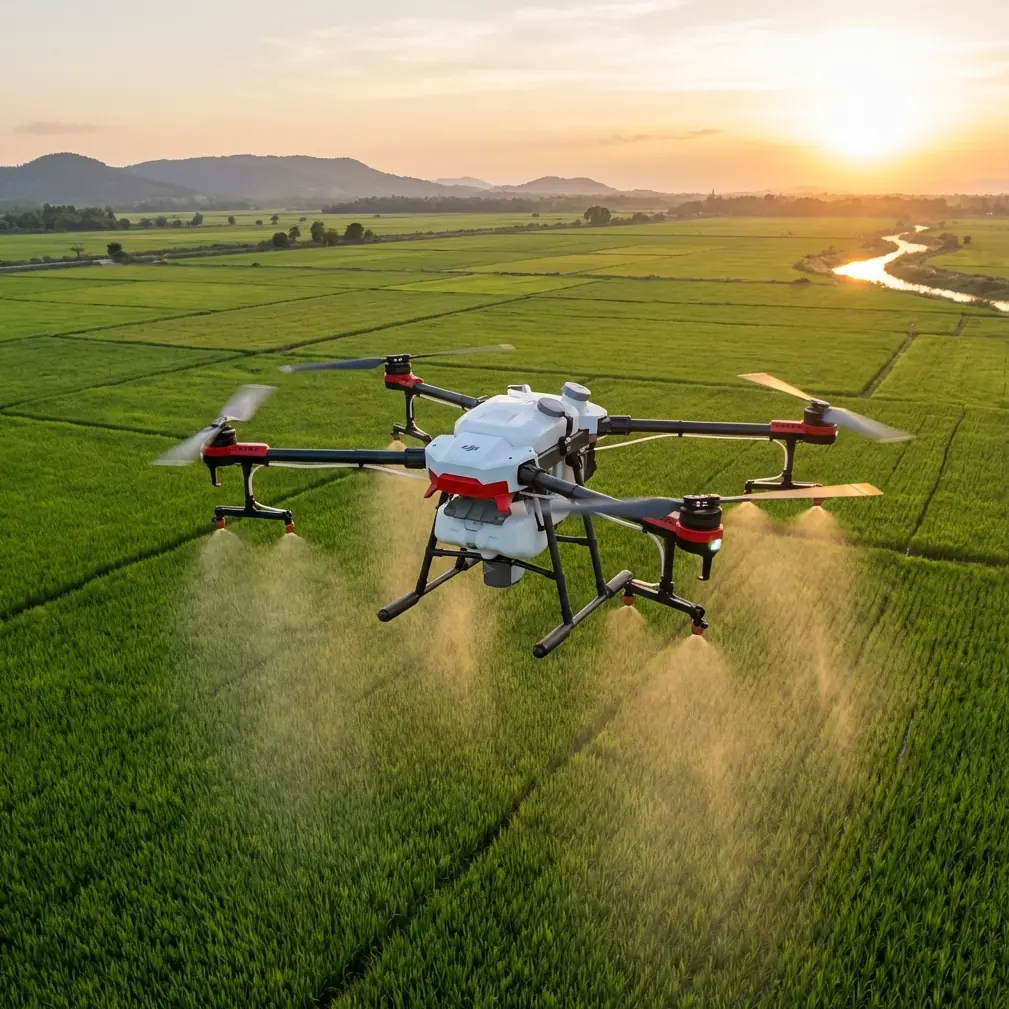
Scouting Wildlife in Windy Conditions With DJI Avata: A Field Report
META: A field-tested guide to using DJI Avata for wildlife scouting in wind, with practical insight on stability, obstacle avoidance, camera settings, and when Avata beats larger competitors.
Wind changes everything when you are scouting wildlife.
It changes where animals hold, how your aircraft tracks, what your footage looks like, and how much margin for error you actually have. That matters with a platform like the DJI Avata because it sits in an unusual place in the drone market. It is not a long-endurance mapping machine. It is not a classic folding camera drone either. It is a ducted FPV aircraft designed to get low, move with intent, and keep operating in places where proximity matters more than altitude.
For wildlife work in windy terrain, that distinction is not academic. It is the whole story.
I have used Avata in the kind of mixed conditions that expose weak assumptions fast: gusts spilling over ridgelines, scrub that forces tight flight paths, uneven light under tree cover, and animal movement that rarely stays centered where you want it. In that environment, the Avata’s value comes less from headline specs and more from how its features stack together in real use. The aircraft’s propeller guards, obstacle sensing, stabilized camera pipeline, and compact profile create a very different field tool than the bigger drones many pilots instinctively reach for.
If your goal is scouting wildlife in windy conditions rather than filming a polished cinematic reveal from 300 feet away, Avata deserves a closer look.
Why Avata Makes Sense for Windy Wildlife Recon
The first thing to understand is that wildlife scouting is not just “nature filming.” The mission usually has a practical objective. You may be checking animal movement along a tree line, verifying activity near a watering point, inspecting habitat edges, or confirming whether a herd has shifted to the lee side of a hill after a weather change. Those tasks reward a drone that can safely work lower and nearer to terrain.
That is where Avata separates itself from many competitors.
A traditional camera drone can hover beautifully in open air, but once you bring it down near brush, trunks, rock shelves, or fence lines, pilot confidence becomes a limiting factor. The Avata’s built-in propeller guards fundamentally change that risk profile. In real field use, that means you can probe corridors and transition zones with more confidence instead of holding an overly cautious stand-off distance. For wildlife scouting, stand-off distance is not always an advantage. Sometimes it simply means missing what is actually happening under canopy edges or behind wind breaks.
The other operational advantage is the aircraft’s low, planted feel. In wind, some drones feel like they are constantly negotiating with the air mass around them. Avata still gets moved by gusts, of course, but its FPV-oriented design gives the pilot a more immediate sense of what the aircraft is doing. That matters when you are following terrain contours or correcting for side gusts near ridges. You are not just watching a drone hold a geographic point. You are actively placing it where animal sign, movement, and cover intersect.
Windy Conditions Expose the Real Value of Obstacle Avoidance
Obstacle avoidance is often discussed as a convenience feature. For wildlife scouting, especially in wind, it is closer to a workload management tool.
When gusts start pushing the aircraft laterally, your attention narrows. You are compensating for movement, reading the landscape, and trying not to lose sight of the subject area. On Avata, the sense-and-avoid support does not make you invincible, and no serious pilot should treat it that way. But it does add a meaningful buffer when you are flying close to vegetation or uneven terrain.
That buffer becomes operationally significant in two ways.
First, it lets you maintain focus on animal behavior rather than spending every second on collision anxiety. Second, it reduces the penalty for brief wind-induced drift in constrained spaces. That is one reason Avata often outperforms larger, more conventional drones for low-level wildlife observation. A competitor might offer a bigger sensor or longer battery life, but if the aircraft’s form factor makes you back off every time the terrain gets tight, the theoretical advantage does not help much in the field.
For this particular use case, access beats abstraction.
Stability, Framing, and Why the Camera Pipeline Still Matters
Scouting is practical, but practical does not mean image quality is irrelevant. In fact, poor footage can make wildlife assessment harder. You need enough clarity to interpret movement, spacing, and behavior, especially when wind is already introducing visual noise through grass, branches, and moving shadows.
Avata’s stabilization is one of the quiet reasons it remains useful beyond pure FPV recreation. You can move dynamically while still producing footage that is readable enough for observation and review. That is especially helpful when you need to come back later and analyze what you saw rather than relying on a split-second visual pass.
D-Log is worth using here, even if you are not aiming for a polished final edit. In wildlife scouting, lighting often changes by the second. Open sky, reflected glare off water, dark brush, and sun-struck rock can all appear in the same pass. A flatter profile gives you more latitude to recover tonal information later, which can be surprisingly helpful when you are trying to distinguish animal shape from background clutter.
This is one area where pilots sometimes underestimate the Avata. Because it is associated with immersive flight, people assume its imaging role is secondary. In practice, when paired with disciplined camera settings, it can deliver footage that is not just exciting, but useful.
QuickShots and Hyperlapse: Not the Features You Think They Are
QuickShots and Hyperlapse sound like social-first tools, and they often get dismissed in serious field discussions. That is too simplistic.
For wildlife scouting, these modes are not always the primary choice, but they can have tactical value if used carefully. A controlled automated movement can help document a location consistently across multiple visits. Hyperlapse can reveal environmental patterns that influence animal presence, such as shifting cloud cover, moving grass lines, or human disturbance near a habitat edge. QuickShots are less about flashy presentation and more about repeatable motion around a point of interest when conditions allow.
The caveat is obvious: wildlife should not be stressed or pushed by automated flight patterns. Distance, species sensitivity, and local regulations all matter. But when used responsibly, these features can support repeatable visual documentation rather than mere spectacle.
That is the real difference between hobby use and professional thinking. The feature itself is not the point. The repeatability is.
What About Subject Tracking and ActiveTrack?
This is where expectations need a reset.
Pilots coming from consumer camera drones often want flawless subject tracking on moving wildlife. In the real world, wildlife behavior is unpredictable, foliage interrupts line of sight, and wind adds another variable to every flight path. ActiveTrack-style expectations can quickly become unrealistic, especially with animals that move through cover or change direction without warning.
For scouting, I would treat subject tracking as a situational aid, not a mission foundation.
The better workflow with Avata is usually to identify movement corridors and likely hold points, then position the aircraft intelligently rather than asking automation to solve the entire encounter. In wind, that approach is safer and usually more productive. You are using pilot judgment first, automation second.
This is also where Avata can excel against larger competitors. Some drones advertise more advanced tracking behavior, but once the subject disappears into brush or the aircraft has to remain well clear of obstacles, tracking quality drops fast. Avata’s strength is that it can physically work closer to the relevant space while still keeping the pilot in a more immersive control loop.
That is not a small difference. It changes what you can actually observe.
A Practical Setup for Windy Wildlife Sessions
If I were sending a pilot out with Avata specifically for wildlife scouting in wind, I would keep the setup disciplined.
Start with flight timing. Early and late windows often bring better animal activity, but they can also produce irregular wind over broken terrain. Spend a few minutes reading vegetation before launch. Watch the top of grass, shrubs, and exposed branches at different elevations. Wind at your takeoff point is not the whole story.
Use conservative speed near habitat edges. Fast FPV-style runs are tempting with Avata, but wildlife scouting usually benefits from restraint. Smooth, low-disturbance movement keeps the aircraft readable in the goggles and reduces the chance of startling animals out of the area before you have assessed them.
Keep your camera settings consistent. If the light is changing rapidly, a more flexible profile like D-Log gives you room later. If your goal is immediate review, prioritize exposure discipline over dramatic motion. The footage has to answer questions, not just look energetic.
Finally, use terrain intelligently. In wind, the lee side of ridges, tree lines, and rock formations can create more controllable pockets of air. Those same zones often attract wildlife for the same reason. Avata is particularly effective here because it can transition through these micro-environments without demanding the same open-air buffer as a larger airframe.
Where Avata Beats Competitors — and Where It Does Not
This part matters because too many drone articles dodge tradeoffs.
Avata is not the best option if your wildlife mission demands long hovering sessions over broad open land, maximal sensor performance, or a quiet, distant overwatch posture from far above the scene. There are better tools for that. A larger conventional drone may give you more endurance, broader camera flexibility, and a more detached observation style.
But that is not the whole market.
When the mission requires low-altitude recon, movement through constrained spaces, stronger confidence near obstacles, and an aircraft that can remain useful when wind interacts badly with terrain, Avata often becomes the smarter pick. Its ducted design is not just a safety feature on paper. In field conditions, it changes pilot behavior. You fly more decisively. You inspect more angles. You make better use of terrain cover. That often translates into better wildlife intelligence, even if another drone wins the specification sheet comparison.
In plain terms: some competitors look better in a catalog, while Avata works better in the scrub.
The Human Factor: Wildlife Work Rewards Restraint
The most overlooked part of this conversation is not technical at all.
Scouting wildlife with any drone, especially in wind, requires restraint. Just because Avata can get into tighter spaces does not mean every close approach is justified. The best operators know when to hold back, when to observe from a stable offset, and when wind conditions create too much disturbance for an ethical flight.
That mindset is part of what makes Avata useful. It gives you options. Good field judgment decides which ones to use.
If you are building a workflow around this aircraft, think less about dramatic pursuit and more about controlled reconnaissance. Use obstacle avoidance as a safety margin, not permission to push recklessly. Use D-Log because reading the scene later matters. Use QuickShots and Hyperlapse only when they help you document a site consistently. Treat subject tracking as helpful but limited. And always remember that wind does not just affect your drone. It affects the animals too.
That shared reality is where the best scouting decisions happen.
If you are comparing platforms or refining a wildlife field setup, you can message our flight team here for a practical discussion around your use case.
Final Take
Avata makes the most sense for wildlife scouting in windy conditions when the mission is close, terrain-driven, and dependent on confident low-level flight. Its obstacle-aware, ducted FPV design gives it a very different kind of field value than many conventional camera drones. Add stable footage, usable color latitude through D-Log, and automation tools that can support repeatable site documentation, and you have an aircraft that is more capable than its category label suggests.
Not every wildlife assignment belongs to Avata. But when the landscape is cluttered, the wind is inconsistent, and the real action sits below the neat open sky where larger drones prefer to work, this aircraft can be the better tool.
Ready for your own Avata? Contact our team for expert consultation.