
Avata in Remote Field Work: Manual Exposure Habits That
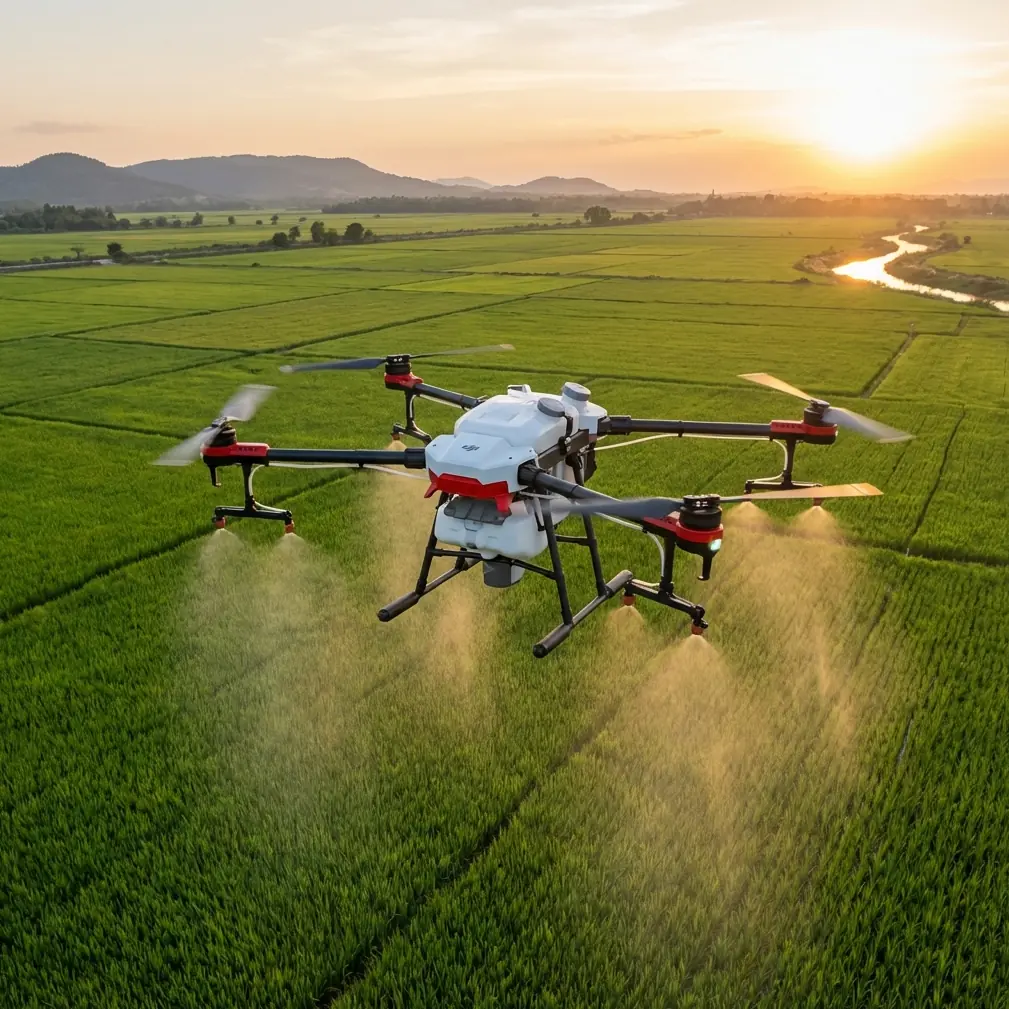
Avata in Remote Field Work: Manual Exposure Habits That Matter More Than Specs
META: A technical review of DJI Avata-focused camera habits for remote agricultural field documentation, including manual exposure order, shutter control, pre-flight cleaning, and why those details matter on real jobs.
The DJI Avata is not a crop-spraying aircraft, and that distinction matters right away. In remote field operations, its real value sits elsewhere: site documentation, training runs, route scouting, perimeter observation, drainage checks, and visual records before or after spraying missions. If you work around agriculture, that makes Avata less of a tool for application and more of a compact aircraft for seeing the field clearly when conditions are messy, time is short, and terrain is uneven.
That is exactly why camera discipline matters more than feature lists.
A lot of pilots in agricultural environments lean too heavily on automation until the footage comes back unusable: blown-out sky, murky crop rows, motion blur over irrigation lines, or a subject that disappears into a flat green smear. The useful takeaway from the reference material is simple but operationally sharp: manual mode gets easier when settings are adjusted in the right order instead of guessed. That idea sounds basic, but in field work it can save a flight.
For Avata users documenting remote farmland, especially around spray planning or post-treatment inspections, the priority is not artistic perfection. It is readable footage and consistent results. That starts before takeoff, not after.
The overlooked pre-flight step: clean the vision and camera surfaces
If your Avata is being used around fields, dust, dried mist, pollen, and residue are part of the environment. A pre-flight wipe of the camera lens and the aircraft’s sensing surfaces is not cosmetic maintenance. It directly affects how safely and reliably the drone can fly in low-level agricultural spaces.
Obstacle avoidance systems and vision-based safety features depend on clean surfaces to interpret the environment properly. Even mild residue can reduce contrast, scatter light, or make glare worse. In practice, that means your aircraft may react later than expected around tree edges, posts, netting, or equipment near a field access road. If you are capturing footage near irrigation hardware or tracking field boundaries at low altitude, that margin matters.
The same goes for image quality. A lens film of dust or spray drift can flatten contrast and make exposure judgment harder. Pilots often blame settings when the real issue started with contamination.
So before discussing D-Log, ActiveTrack, QuickShots, or Hyperlapse, start with a cloth and a careful inspection. Clean aircraft. Clean lens. Clean sensors. Then build the shot.
Why the “set it in order” approach works in real field conditions
The reference article’s strongest point is not about a single camera setting. It is about sequence. Instead of jumping between values randomly, set exposure in an order that matches the scene.
That approach is especially useful with Avata because agricultural environments change fast. One pass may be over bright reflective plastic mulch or pale dirt roads, and the next may drop beside dark tree lines or wet soil. If you chase brightness by spinning every parameter at once, you lose consistency and waste battery.
A better workflow is this:
- Decide the visual goal.
- Start with aperture logic, even if your drone platform limits direct aperture adjustment compared with larger interchangeable-lens systems.
- Then control motion rendering through shutter speed.
- Use the remaining exposure tools to balance the image without compromising the purpose of the shot.
The source material explains aperture in plain terms: a smaller F-number means a larger opening and more light entering the lens. Operationally, that matters because more incoming light brightens the image, while depth rendering changes too. A larger aperture can create stronger background blur, which is often associated with portraits.
Now, Avata users in remote fields are not usually shooting portraits. But the principle still matters. It teaches the pilot to think intentionally about what needs to be clear. In agricultural documentation, you usually want environmental readability, not heavy separation from the background. You need crop edges, wheel tracks, standing water, fence lines, and access lanes to remain legible. The lesson here is not “shoot everything wide open.” The lesson is that light control affects scene interpretation.
If your goal is to document field conditions for planning or reporting, clarity across the frame often matters more than dramatic blur.
Shutter speed is where field documentation usually succeeds or fails
The reference data is especially useful on shutter speed because it connects exposure to motion. Faster shutter speeds darken the image and can freeze movement. Slower shutter speeds brighten the image and can create blur effects such as silky waterfalls or vehicle light trails.
That is not just photography theory. It directly maps onto Avata use in agriculture.
When you are flying near moving machinery, wind-driven crops, or turning through uneven terrain, shutter speed becomes a decision about information quality. If your shutter is too slow, a pass over crop rows can smear detail together, making it harder to review leaf density, wheel ruts, washout channels, or spray coverage indicators. If it is too fast under harsh midday light, the image may become too dark unless compensated elsewhere.
For remote field work, a faster shutter often makes practical sense because it preserves structure in moving scenes. Think of:
- wind pushing taller crops sideways,
- utility vehicles moving along the boundary,
- birds lifting from irrigation channels,
- the aircraft itself changing attitude quickly in tighter FPV-style lines.
The source article even highlights that fast shutter speeds help freeze moving subjects such as birds and cars. Translate that to Avata and the benefit is obvious: cleaner frames for review, fewer ambiguous motion artifacts, and more usable stills pulled from video if needed.
Slower shutter has its place, but mostly for intentional visual storytelling, not inspection-grade documentation. If you are producing promotional farm footage, a touch of motion blur can feel natural. If you are checking whether a drainage trench is blocked or whether overspray drifted toward a road edge, sharpness wins.
Avata is strongest as a close-range visual tool, not a one-button field solution
There is a temptation to frame Avata as a do-everything rural aircraft because its immersive flight style is appealing. That would be the wrong read.
Avata is strongest when used deliberately for near-field visual tasks:
- scouting terrain before a larger operation,
- documenting access constraints in remote plots,
- creating training footage for field teams,
- checking obstacle zones around trees, sheds, fencing, or irrigation lines,
- capturing before-and-after visuals tied to agronomy work.
That is where features like obstacle avoidance and subject-oriented automation become support tools rather than the main act.
ActiveTrack-style behavior and subject tracking concepts sound attractive for moving farm vehicles or workers, but in real field operations they should be used with restraint. Tall crops, repetitive textures, dust, glare, and partial occlusion can confuse automated visual systems. This is another reason the pre-flight cleaning step matters. Clean sensing surfaces give these systems the best chance to perform as intended, but they still do not replace pilot judgment.
QuickShots and Hyperlapse can be useful too, though not in the way lifestyle content often presents them. QuickShots can help standardize repeatable visual captures for the same field entrance, tank area, or staging point over time. Hyperlapse can compress changing cloud shadows or equipment movement into a reviewable visual summary. Those are practical uses, provided you treat them as documentation formats rather than gimmicks.
D-Log is valuable only if your workflow can support it
D-Log gets mentioned constantly, often without context. For agricultural users, the question is not whether D-Log is “better.” The question is whether it helps preserve information in difficult lighting and whether your team can actually process it.
In remote fields, dynamic range can be rough: bright sky, reflective water, dark shelterbelts, pale road dust, and shaded equipment areas in one flight. A flatter capture profile can preserve more flexibility when balancing these extremes later. That can be useful if your footage will be reviewed by agronomists, operations managers, or clients who need to see shadow detail without losing bright highlights.
But D-Log also expects a more disciplined post workflow. If you are flying only for same-day reference clips viewed on a phone in the truck, a simpler profile may be more practical. If you are building official progress records or training materials, D-Log can be worth the extra handling.
Again, this circles back to exposure order. A flat profile does not rescue poor manual choices. It gives you room, not immunity.
How Jessica Brown would approach an Avata field flight
If I were writing this from the photographer’s side of the fence, the first concern would be consistency. Remote field operations rarely give you a second chance at the same light. So I would treat Avata like a visual notebook with propellers.
My process would look like this:
First, clean the aircraft carefully, especially the lens and forward sensing areas. Dust from farm tracks and residue from previous flights can quietly degrade both safety and image quality.
Second, define the mission. Is this a scouting run before spraying logistics? A post-operation record? A training clip showing safe approach routes between poles and trees? That determines whether I need cinematic motion or hard-edged visual clarity.
Third, set exposure logically instead of reactively. The reference article’s main lesson holds up here: don’t guess parameters. Build them in sequence. If the scene includes wind movement, vehicles, or quick directional changes, I favor shutter choices that protect detail. If the image gets darker because of that, I solve the rest after preserving the motion rendering I actually need.
Fourth, review the environment for automation limits. Obstacle avoidance is helpful, but field edges are full of visually messy hazards: thin wires, branches, trellis lines, and changing sun angles. Clean sensors help, but they do not make the drone omniscient.
Fifth, capture at least one repeatable pass that can be duplicated on future visits. That has more long-term value than a flashy one-off move.
Why this matters specifically for remote spraying operations
The user scenario here is “spraying fields in remote” areas, and that creates a narrow but very practical niche for Avata. A spraying team needs awareness, documentation, and communication. They may need to verify access conditions after rain, assess staging zones, check obstacle density near a target area, or create training material for less experienced crew. Avata can do that well when flown with a camera-first mindset.
What it should not do is tempt operators into careless low-altitude automation because the aircraft feels agile. Agricultural spaces are deceptive. They look open, but they are full of hidden obstacles and difficult visual patterns. One dusty lens or smudged vision sensor can compound those risks.
That is why the reference details are more relevant than they first appear. The source article says manual mode becomes easier when settings are adjusted in a specific order instead of guessed. It also explains that fast shutter speeds can freeze moving subjects, while slow shutter speeds brighten the image and introduce creative blur. Those are not abstract photography notes. In Avata field work, they influence whether your footage is usable for real decisions.
If you are documenting rows in the wind, a fast shutter can preserve the structure you need to inspect. If you are filming a slow scenic reveal of a farm road at sunset, a slower look may feel more natural. Different mission, different setting logic.
A smarter way to think about Avata in agriculture
Avata earns its place in agricultural operations not by replacing specialized aircraft, but by filling the gap between boots-on-the-ground inspection and larger aerial platforms. It is compact, visually engaging, and capable of capturing field context from angles that static photos miss.
Its weaknesses appear when operators treat automation as a substitute for exposure control or situational awareness.
So the real best practice is not a hidden menu setting or a dramatic flight trick. It is disciplined preparation:
- clean the aircraft before launch,
- understand what the scene requires,
- set exposure in a deliberate order,
- use shutter speed to protect the kind of detail the job actually needs,
- treat smart features as assistants, not decision-makers.
If your team is building a field documentation workflow around Avata and wants a practical discussion about setup choices, mission planning, or accessory fit for rural work, you can start the conversation here: message a field-drone specialist.
Remote agriculture rewards clarity. Avata can provide it, but only if the pilot does.
Ready for your own Avata? Contact our team for expert consultation.