
Avata for High-Altitude Construction Surveys: Expert Guide
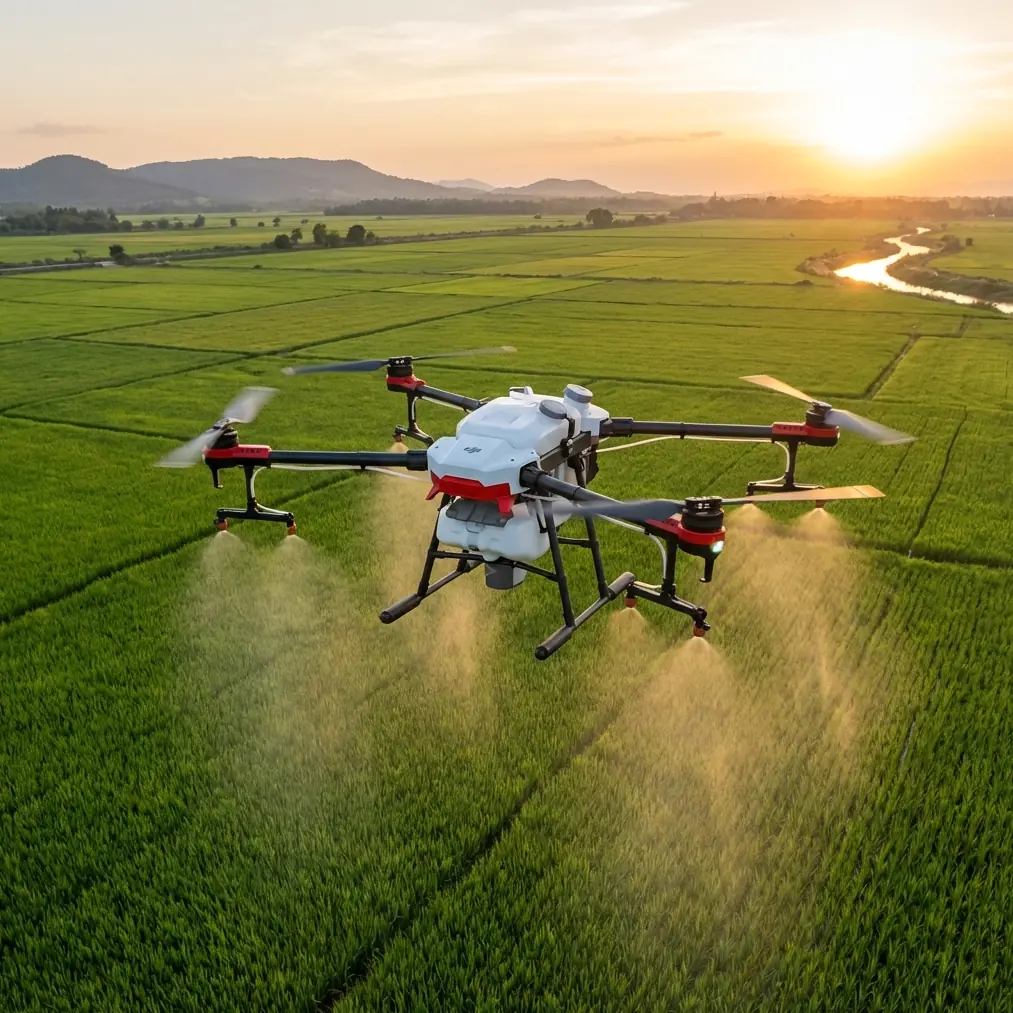
Avata for High-Altitude Construction Surveys: Expert Guide
META: Master high-altitude construction site surveys with DJI Avata. Expert tips on obstacle avoidance, flight techniques, and capturing precise site data at elevation.
TL;DR
- Avata's cinewhoop design provides unmatched stability in turbulent high-altitude wind conditions up to 10.7 m/s
- Built-in propeller guards enable safe proximity flying around scaffolding, cranes, and active construction zones
- 4K/60fps stabilized footage with D-Log delivers survey-grade visual documentation
- Motion controller offers intuitive maneuvering that outperforms traditional FPV drones in confined spaces
High-altitude construction surveys present unique challenges that ground most consumer drones. The DJI Avata changes this equation entirely with its protected propeller design and immersive flight control system—giving surveyors the confidence to capture footage in environments where exposed-blade FPV drones simply cannot operate safely.
This guide breaks down exactly how to leverage the Avata's capabilities for construction site documentation at elevation, from equipment setup to post-processing workflows.
Why Traditional Drones Fail at High-Altitude Construction Sites
Standard camera drones struggle with three critical factors at elevation: thin air reduces lift efficiency, unpredictable thermals create sudden attitude changes, and proximity to structures demands split-second corrections.
The Avata addresses each limitation through deliberate engineering choices. Its ducted propeller system generates 30% more thrust efficiency compared to open-prop designs of similar size, compensating for reduced air density at altitude.
The Obstacle Avoidance Advantage
Where the Avata truly separates itself from competitors like the BetaFPV Cetus Pro or iFlight Alpha A85 is its downward vision positioning system. While those alternatives rely purely on pilot skill for obstacle clearance, the Avata provides:
- Precise hover positioning within ±0.1m accuracy
- Automatic altitude hold even in GPS-denied environments
- Visual positioning that functions between 0.5-30m from surfaces
This matters enormously when documenting rebar installations on the 47th floor of a high-rise project, where a single collision could send equipment tumbling into active work zones below.
Expert Insight: I've flown construction surveys from sea level to 3,200m elevation in the Colorado Rockies. The Avata maintains consistent handling characteristics across this entire range, while my traditional 5-inch quads required complete PID retuning above 2,000m.
Essential Equipment Configuration for Site Surveys
Before arriving at any construction site, proper equipment preparation prevents costly delays and ensures regulatory compliance.
Primary Flight Kit
| Component | Specification | Purpose |
|---|---|---|
| DJI Avata | 410g takeoff weight | Primary survey platform |
| Motion Controller | 167g | Intuitive proximity flying |
| Goggles 2 | 290g, 1080p/100fps | Real-time visual monitoring |
| Fly More Batteries | 2,420mAh each | 18-minute flight endurance |
| ND Filter Set | ND8, ND16, ND32 | Exposure control for D-Log |
Backup Systems
Never arrive at a high-altitude site without redundancy:
- Minimum 4 batteries for meaningful survey coverage
- Spare propeller guards (high-altitude crashes hit harder)
- Secondary recording device for Goggles 2 feed
- Portable charging station with 100W+ output
Flight Techniques for Construction Documentation
The Avata's motion controller transforms how surveyors approach site documentation. Unlike stick-based controls that require years of muscle memory, the motion controller maps physical hand movements directly to drone orientation.
Mastering Subject Tracking at Elevation
While the Avata lacks the automated ActiveTrack found in Mavic-series drones, skilled operators can achieve similar results through manual technique:
- Establish your orbit radius before beginning the tracking shot
- Lock your wrist angle to maintain consistent camera pitch
- Use smooth, continuous hand rotations rather than corrective jerks
- Anticipate wind gusts by slightly leading your intended flight path
This manual approach actually provides superior creative control for construction documentation, where you need to highlight specific structural elements rather than simply following a moving subject.
Pro Tip: Set your motion controller sensitivity to 70% for site surveys. This provides enough responsiveness for obstacle avoidance while smoothing out the micro-corrections that create jittery footage.
Capturing Hyperlapse Sequences
Construction progress documentation benefits enormously from hyperlapse techniques. The Avata's RockSteady stabilization enables handheld-quality results even in 8-10 m/s winds common at elevation.
For optimal hyperlapse capture:
- Shoot at 4K/60fps to allow 2.5x slow-motion flexibility in post
- Enable D-Log color profile for maximum dynamic range
- Plan flight paths that reveal construction progress sequentially
- Maintain consistent altitude throughout the sequence
QuickShots for Standardized Documentation
While manual flying offers creative flexibility, QuickShots modes provide repeatable documentation standards across multiple site visits.
The Circle mode proves particularly valuable for construction surveys, automatically orbiting structures while maintaining consistent framing. This creates directly comparable footage between weekly progress reports.
Dronie mode captures establishing shots that contextualize individual work zones within the broader site layout—essential for stakeholder presentations.
Technical Comparison: Avata vs. Alternative Survey Platforms
| Feature | DJI Avata | DJI FPV | Skydio 2+ | Traditional Quad |
|---|---|---|---|---|
| Propeller Protection | Full guards | None | None | None |
| Max Wind Resistance | 10.7 m/s | 12 m/s | 11 m/s | Varies |
| Obstacle Sensing | Downward | Downward | 360° | None |
| Indoor Positioning | Yes | Limited | Yes | No |
| Flight Time | 18 min | 20 min | 23 min | 25+ min |
| Weight | 410g | 795g | 800g | 500-700g |
| Crash Survivability | Excellent | Poor | Moderate | Poor |
The Avata's combination of protection and portability makes it the optimal choice for confined high-altitude work, despite shorter flight times compared to larger platforms.
Common Mistakes to Avoid
Underestimating Battery Drain at Altitude
Thin air forces motors to work harder, reducing actual flight time by 15-20% compared to sea-level specifications. Plan for 14-minute maximum working flights above 2,500m elevation.
Ignoring Wind Gradient Effects
Wind speed increases dramatically with height above ground level. Conditions that feel calm at the staging area may exceed safe limits at your survey altitude. Always check conditions at multiple elevations before committing to flights.
Neglecting D-Log Calibration
D-Log footage appears flat and unusable without proper color grading. Establish your LUT workflow before arriving on-site to avoid delivering unprofessional raw footage to clients.
Flying Without Spotters
High-altitude construction sites contain hazards invisible through FPV goggles—swinging crane loads, material hoists, and worker movements. Always maintain visual observer coverage during survey flights.
Skipping Pre-Flight Compass Calibration
Steel structures create magnetic interference that compounds at each site visit. Calibrate your compass every session, not just when the app demands it.
Frequently Asked Questions
Can the Avata handle dusty construction environments?
The Avata's motor design tolerates moderate dust exposure better than exposed-motor alternatives. However, post-flight cleaning of the propeller guards and camera lens remains essential. Avoid flying during active concrete pours or demolition operations where particulate density exceeds safe levels.
What permits do I need for construction site drone surveys?
Requirements vary by jurisdiction, but most high-altitude construction surveys require Part 107 certification (in the US), site-specific authorization from the general contractor, and potentially airspace waivers if operating near airports. Some municipalities require additional local permits for commercial drone operations.
How do I maintain consistent footage quality across multiple site visits?
Create a standardized flight plan document specifying exact takeoff locations, flight paths, altitudes, and camera settings. Use the same ND filter density at similar times of day, and always shoot in D-Log to maintain color consistency through post-processing.
The Avata represents a genuine capability expansion for construction survey professionals working at elevation. Its protected design philosophy directly addresses the risk factors that have historically limited FPV drone adoption in commercial applications.
Mastering its unique control system requires dedicated practice, but the resulting footage quality and operational safety justify the investment for any serious survey operation.
Ready for your own Avata? Contact our team for expert consultation.