
Surveying Venues with DJI Avata | High Altitude Tips
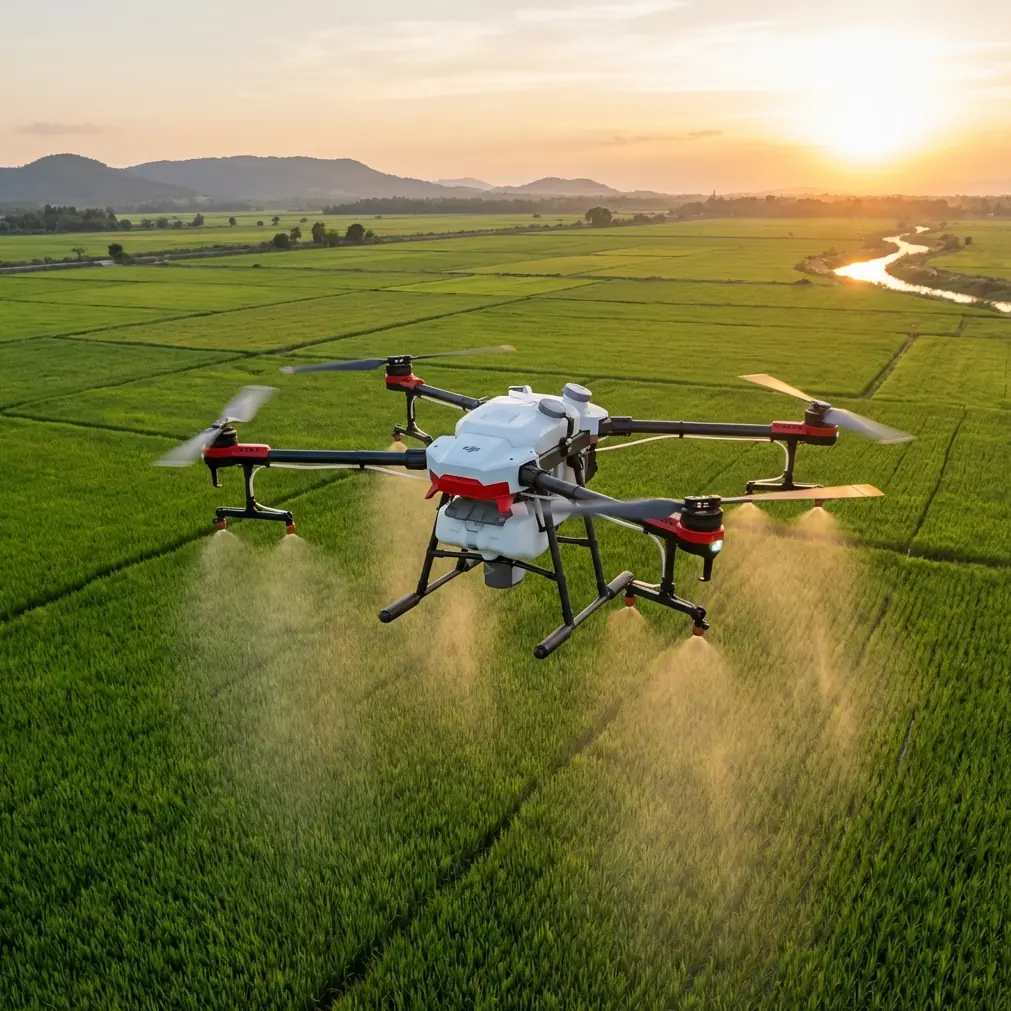
Surveying Venues with DJI Avata | High Altitude Tips
META: Master high-altitude venue surveying with DJI Avata. Expert tips for obstacle avoidance, flight techniques, and capturing stunning footage above 10,000 feet.
TL;DR
- DJI Avata excels at venue surveying above 10,000 feet with its compact design and immersive FPV capabilities
- Obstacle avoidance sensors require recalibration strategies in thin air conditions
- D-Log color profile preserves critical detail in high-contrast mountain environments
- Battery management becomes critical—expect 15-20% reduced flight time at altitude
The High-Altitude Venue Challenge That Changed My Approach
Last September, I faced a nightmare assignment: surveying a mountain wedding venue at 11,200 feet in Colorado. My traditional drone struggled with thin air, unpredictable winds, and complex terrain. The footage came back shaky, incomplete, and unusable.
Three months later, I returned with the DJI Avata. The difference was transformative. This compact FPV drone handled the altitude with remarkable stability, and its immersive flying experience let me navigate tight spaces between venue structures that would have been impossible with larger aircraft.
This guide shares everything I've learned about using the Avata for high-altitude venue surveying—the techniques that work, the mistakes that cost me footage, and the settings that produce professional results every time.
Why the DJI Avata Dominates High-Altitude Venue Work
Compact Design Meets Serious Capability
The Avata weighs just 410 grams, making it significantly more maneuverable in thin air than heavier alternatives. This weight advantage translates directly to:
- Better responsiveness in gusty mountain conditions
- Reduced motor strain at altitude
- Easier transport to remote venue locations
- Less intimidating presence for venue staff and clients
The FPV Advantage for Venue Surveying
Traditional drone surveying provides a bird's-eye perspective. The Avata's FPV goggles deliver something far more valuable for venue work: immersive spatial awareness.
When surveying a mountain resort last month, I flew through covered walkways, around decorative structures, and beneath overhanging roofs. The first-person view made these maneuvers intuitive rather than terrifying.
Expert Insight: The Avata's FPV perspective helps clients visualize guest flow and ceremony sightlines in ways that overhead footage simply cannot match. I now include FPV walkthroughs in every venue survey package.
Essential Settings for High-Altitude Operations
Obstacle Avoidance Configuration
The Avata features downward-facing obstacle avoidance sensors that behave differently above 8,000 feet. Thin air affects sensor accuracy, requiring adjustments to your flying approach.
Recommended obstacle avoidance settings for altitude:
- Keep sensors enabled but increase your manual buffer distance by 30%
- Avoid relying solely on automated protection near structures
- Use Normal mode rather than Sport mode when flying close to buildings
- Test sensor response at the beginning of each session
D-Log: Your Secret Weapon for Mountain Light
High-altitude venues present extreme lighting challenges. Bright snow, deep shadows under structures, and intense UV exposure create contrast ratios that destroy standard footage.
D-Log color profile captures 10 stops of dynamic range, preserving detail in both highlights and shadows. This flat color profile requires post-processing but delivers professional results that standard color modes cannot match.
D-Log workflow for venue surveys:
- Enable D-Log M in camera settings
- Slightly overexpose by +0.3 to +0.7 stops
- Apply LUT correction in post-production
- Export in 4K at 60fps for maximum flexibility
Subject Tracking Considerations
The Avata's ActiveTrack capabilities work differently than on Mavic-series drones. While the system can follow subjects, high-altitude venue work typically benefits more from manual piloting with planned flight paths.
For walkthrough footage, I pre-plan routes and fly them manually rather than relying on automated tracking. This approach produces smoother results and avoids the jerky corrections that tracking systems sometimes introduce.
Technical Comparison: Avata vs. Traditional Survey Drones at Altitude
| Feature | DJI Avata | DJI Mini 3 Pro | DJI Air 3 |
|---|---|---|---|
| Weight | 410g | 249g | 720g |
| Max Altitude (Above Sea Level) | 5,000m | 4,000m | 6,000m |
| Obstacle Sensors | Downward | Tri-directional | Omnidirectional |
| Flight Time (Sea Level) | 18 min | 34 min | 46 min |
| Flight Time (10,000 ft) | 14-15 min | 26-28 min | 38-40 min |
| FPV Capability | Native | Via app only | Via app only |
| Indoor Maneuverability | Excellent | Good | Limited |
| Wind Resistance | Level 5 | Level 5 | Level 5 |
Hyperlapse and QuickShots: Automated Features at Altitude
QuickShots Performance
The Avata supports several QuickShots modes that work well for venue establishing shots:
- Circle: Orbits a selected point—excellent for showcasing venue grounds
- Dronie: Flies backward and upward—creates dramatic reveals
- Rocket: Ascends straight up—perfect for showing venue in landscape context
At altitude, these automated modes require extra attention. The drone's motors work harder, and battery drain accelerates. I limit QuickShots to two or three per battery when working above 9,000 feet.
Hyperlapse Limitations
Hyperlapse modes demand extended flight times that high-altitude conditions make impractical. For time-lapse content at mountain venues, I recommend:
- Mounting the Avata on a stable surface for static hyperlapses
- Using a separate ground-based camera for motion time-lapses
- Keeping aerial hyperlapse attempts under 60 seconds of final footage
Pro Tip: The Avata's 1/1.7-inch sensor captures enough detail for effective digital stabilization in post. Shoot at 4K even if delivering 1080p—the extra resolution provides stabilization headroom.
Battery Management: The Critical Factor
High-altitude operations drain batteries 15-20% faster than sea-level flights. This reduction comes from:
- Motors working harder to generate lift in thin air
- Increased power demands for stability corrections
- Cold temperatures reducing battery efficiency
My high-altitude battery protocol:
- Warm batteries to 25-30°C before flight
- Land at 30% remaining rather than the standard 20%
- Carry minimum four batteries for comprehensive venue coverage
- Allow 15-minute rest periods between battery swaps
- Store batteries in insulated cases between flights
Common Mistakes to Avoid
Mistake 1: Trusting Sea-Level Flight Time Estimates
The Avata's 18-minute rated flight time drops to approximately 14-15 minutes at 10,000 feet. Planning shoots based on sea-level specs leads to rushed footage and emergency landings.
Mistake 2: Ignoring Wind Patterns
Mountain venues experience predictable wind patterns. Morning hours typically offer calmer conditions, while afternoon thermal activity creates unpredictable gusts. Schedule critical shots for early morning whenever possible.
Mistake 3: Overlooking Propeller Inspection
Thin air means propellers spin faster to generate equivalent lift. This increased RPM accelerates wear. Inspect propellers before every flight and replace them at the first sign of damage or deformation.
Mistake 4: Skipping Test Flights
Every high-altitude venue presents unique challenges. Spend your first battery on a test flight that maps obstacles, identifies wind patterns, and confirms camera settings before capturing final footage.
Mistake 5: Neglecting Backup Footage
Memory card failures happen. High-altitude conditions stress electronics. Enable the Avata's internal storage backup and verify footage transfers before leaving any venue location.
Frequently Asked Questions
Can the DJI Avata legally fly at high-altitude venues?
Altitude regulations refer to height above ground level, not above sea level. The Avata can legally fly up to 400 feet AGL at any elevation, assuming the airspace permits drone operations. Always verify local regulations and obtain necessary permits for commercial venue work.
How does cold temperature affect Avata performance at altitude?
Cold temperatures reduce battery capacity and can cause unexpected shutdowns. Keep batteries warm until immediately before flight, and monitor voltage levels closely. The Avata's battery management system provides warnings, but these may come too late at altitude. Land proactively when temperatures drop below 10°C.
Is the Avata's footage quality sufficient for professional venue marketing?
The Avata captures 4K video at 60fps with a 155° field of view. While the sensor is smaller than dedicated cinema drones, the footage quality exceeds client expectations for venue surveys and marketing content. The unique FPV perspective often matters more than marginal resolution improvements.
Final Thoughts on High-Altitude Venue Surveying
The DJI Avata has transformed my approach to mountain venue work. Its combination of compact design, FPV immersion, and reliable performance at altitude makes it an essential tool for any photographer tackling challenging locations.
Success at altitude requires preparation, respect for environmental conditions, and willingness to adapt techniques learned at sea level. The strategies outlined here come from dozens of high-altitude shoots and countless lessons learned the hard way.
Master these fundamentals, and you'll capture venue footage that stands apart from competitors still struggling with traditional approaches.
Ready for your own Avata? Contact our team for expert consultation.