
Expert Urban Forest Tracking with DJI Avata
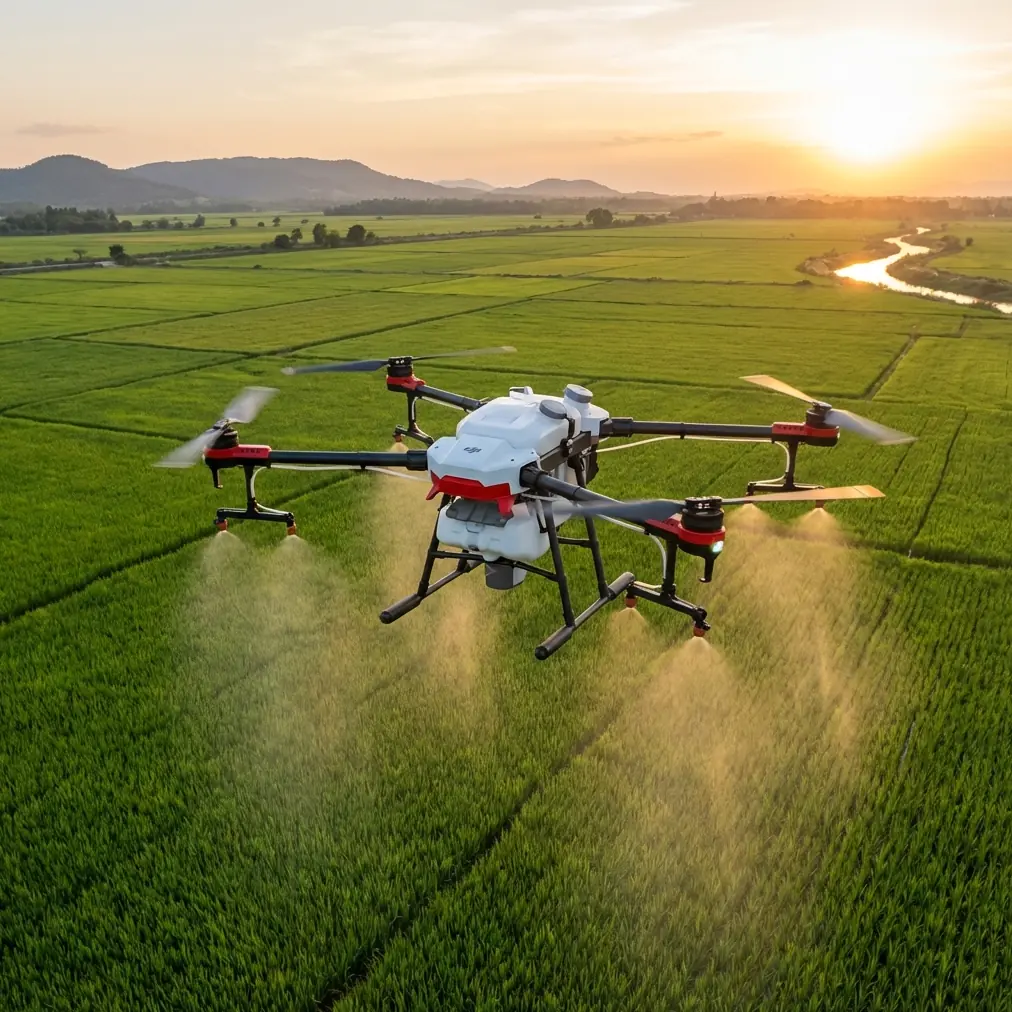
Expert Urban Forest Tracking with DJI Avata
META: Master urban forest tracking with DJI Avata's immersive FPV system. Learn pro techniques for navigating tight canopies and capturing stunning woodland footage.
TL;DR
- Avata's compact design and propeller guards make it ideal for navigating dense urban forest environments where traditional drones fail
- Built-in stabilization and D-Log color profile deliver cinematic footage even through challenging tree canopies
- GPS and obstacle sensing provide critical safety nets when flying between branches and structures
- Master these tracking techniques to capture footage that ground-based cameras simply cannot achieve
Why Urban Forest Tracking Demands a Different Approach
Urban forests present a unique filming challenge that stopped me cold for years. Traditional drones are too large, too slow, and too vulnerable to navigate the tight spaces between mature oaks and building edges. The Avata changed my entire workflow.
Last spring, I was documenting canopy health for a city parks department. My previous attempts with larger drones ended with propeller strikes and missed shots. The Avata's propeller guard system and compact 180mm diagonal let me weave through gaps that seemed impossible before.
This guide breaks down exactly how I approach urban forest tracking—from pre-flight planning to post-production color grading.
Understanding the Avata's Core Tracking Capabilities
The FPV Advantage in Dense Environments
First-person view flying transforms how you perceive obstacles. Instead of watching a distant aircraft and guessing clearances, you're mentally inside the canopy.
The Avata pairs with DJI Goggles 2, delivering:
- 1080p/100fps micro-OLED displays
- 51ms ultra-low latency for real-time reactions
- Adjustable diopters from +2.0 to -8.0 for glasses-free flying
- FOV of 44° diagonal for immersive spatial awareness
This latency figure matters enormously. When threading between branches at 8 m/s, a 51ms delay means your visual feed shows where you were just 40cm ago. Faster latency equals safer flying.
Expert Insight: I always fly urban forests in the early morning when wind is minimal. Even light gusts cause branch movement that's nearly impossible to predict through goggles. Calm conditions let you focus entirely on your flight path.
Subject Tracking Without ActiveTrack
Here's what surprises many pilots: the Avata doesn't include ActiveTrack. This omission actually benefits forest work.
Automated tracking systems struggle with visual clutter. Branches, shadows, and dappled light confuse algorithms designed for open environments. Manual tracking forces you to develop skills that produce better footage.
I use three manual tracking methods:
Method 1: Fixed Gimbal Angle Lock your gimbal at -15° to -30° and fly the entire path. Your body movements create natural, organic camera motion that feels intentional rather than robotic.
Method 2: Coordinated Stick Input Practice simultaneous throttle and gimbal wheel adjustments. This takes weeks to master but produces Hollywood-quality reveals.
Method 3: Waypoint Pre-Planning Scout your route on foot first. Identify specific trees or clearings as mental waypoints. Fly between them with purpose rather than wandering.
Technical Specifications That Matter for Forest Work
| Feature | Avata Specification | Forest Relevance |
|---|---|---|
| Weight | 410g | Light enough for agile maneuvering |
| Max Speed | 27 m/s (S Mode) | Excessive for forests; use N Mode |
| Hover Time | 18 minutes | Plan for 12-14 minutes of actual filming |
| Obstacle Sensing | Downward + Backward | Partial coverage; front awareness is manual |
| Video Resolution | 4K/60fps | Sufficient for professional delivery |
| Bit Rate | 150 Mbps | Captures shadow detail in canopy |
| Color Profile | D-Log | Essential for recovering highlights |
Why D-Log Matters Under Canopy
Forest light is brutal. You'll have 12+ stops of dynamic range between sunlit leaves and shadowed trunks. The Avata's 1/1.7-inch CMOS sensor handles this reasonably well, but only if you shoot D-Log.
Standard color profiles clip highlights immediately. D-Log preserves that information for recovery in post.
My D-Log settings for forest work:
- ISO: 100-200 (never auto)
- Shutter: 1/120 for 60fps (double your frame rate)
- ND Filter: ND8 or ND16 depending on conditions
- White Balance: 5600K manual (auto shifts constantly under leaves)
Pro Tip: Bring multiple ND filters. Forest light changes dramatically as you move from clearings to dense canopy. I switch filters between battery swaps based on my planned flight path.
Step-by-Step Urban Forest Tracking Workflow
Phase 1: Location Scouting
Never fly a forest location blind. Walk the entire area first and document:
- Overhead clearances at your planned altitude
- Dead branches that could fall or snag
- Metal structures that might cause compass interference
- Wildlife activity (nesting birds will attack drones)
- Public access points where pedestrians might appear
I photograph potential obstacles with my phone and review them before each flight.
Phase 2: Pre-Flight Configuration
Configure these settings before you leave home:
- Set flight mode to Normal (N) for controlled speeds
- Enable Return-to-Home altitude at least 10m above the tallest trees
- Configure low battery warning at 30% (forests require longer return paths)
- Disable automatic landing to prevent touchdown in brush
- Set gimbal speed to slow for smooth movements
Phase 3: The Tracking Flight
Execute your flight in segments rather than one continuous take. This approach:
- Reduces cognitive fatigue
- Provides natural edit points
- Allows battery monitoring between segments
- Creates backup footage if one segment fails
For subject tracking specifically, maintain constant distance from your subject. Varying distance looks amateur. Pick a gap—usually 3-5 meters—and hold it throughout.
Phase 4: Emergency Procedures
Forests demand specific emergency responses:
Lost Visual Contact: Immediately stop forward movement. Ascend slowly while watching for branch contact. Regain orientation before proceeding.
Signal Degradation: Trees attenuate radio signals significantly. If you see signal warnings, fly toward open sky—usually upward—rather than continuing your path.
Propeller Strike: The Avata's guards often prevent crashes from minor contact. If you hear impact, hover immediately and assess stability before continuing.
Common Mistakes to Avoid
Flying Too Fast Speed is the enemy of forest work. The Avata can hit 27 m/s, but I rarely exceed 5 m/s in dense areas. Slower speeds give you reaction time and produce smoother footage.
Ignoring Wind at Altitude Ground-level calm doesn't mean canopy-level calm. Trees create turbulence. Start low, assess conditions, then gradually increase altitude.
Forgetting Vertical Obstacles New forest pilots watch for horizontal branches but forget about vertical ones. Snags, dead trunks, and leaning trees create hazards at every altitude.
Over-Relying on Obstacle Sensing The Avata senses downward and backward—not forward or sideways. In forests, your eyes are your primary collision avoidance system.
Neglecting Post-Flight Inspection Forest debris accumulates on propellers and guards. Inspect thoroughly after every flight. Small twigs caught in motors cause failures on subsequent flights.
Hyperlapse and QuickShots in Forest Environments
The Avata supports Hyperlapse modes that work surprisingly well in forests when used correctly.
Free Hyperlapse lets you fly manually while the camera captures time-lapse frames. This creates stunning canopy-to-sky reveals when you ascend slowly through branches.
Settings I use:
- Interval: 2 seconds
- Duration: 30 minutes of real time
- Speed: ascending at 0.5 m/s
The result compresses a half-hour ascent into a 15-second clip showing the forest from floor to crown.
QuickShots require more caution. Automated flight paths don't account for obstacles. I only use QuickShots in clearings where the Avata has minimum 10m radius of open space.
Frequently Asked Questions
Can the Avata handle rain or wet conditions in forests?
The Avata lacks any official water resistance rating. Morning dew on leaves, dripping branches after rain, and humid conditions all pose risks. I wait minimum 4 hours after rain before flying in forests. Moisture on the camera lens also ruins footage—carry lens wipes and check frequently.
How do I maintain GPS lock under heavy tree cover?
Dense canopy blocks satellite signals. The Avata needs minimum 10 satellites for stable positioning. Before entering dense areas, establish strong GPS lock in a clearing. The aircraft maintains position memory briefly even when signals weaken. For extended canopy work, practice flying in Attitude mode where GPS isn't required.
What's the best time of year for urban forest tracking?
Late autumn and early spring offer ideal conditions. Leaf coverage is reduced, improving GPS reception and visibility. Light penetrates deeper into the forest, reducing dynamic range challenges. Summer's full canopy creates the most dramatic footage but demands the highest skill level.
Urban forest tracking with the Avata rewards patience and practice. The skills you develop navigating tight spaces transfer to every other flying environment. Start with open forests, progress to denser canopy, and document your improvement over time.
Ready for your own Avata? Contact our team for expert consultation.